Categories
Issue 7

The Biden-Harris Campaign: Representation or Presentation?

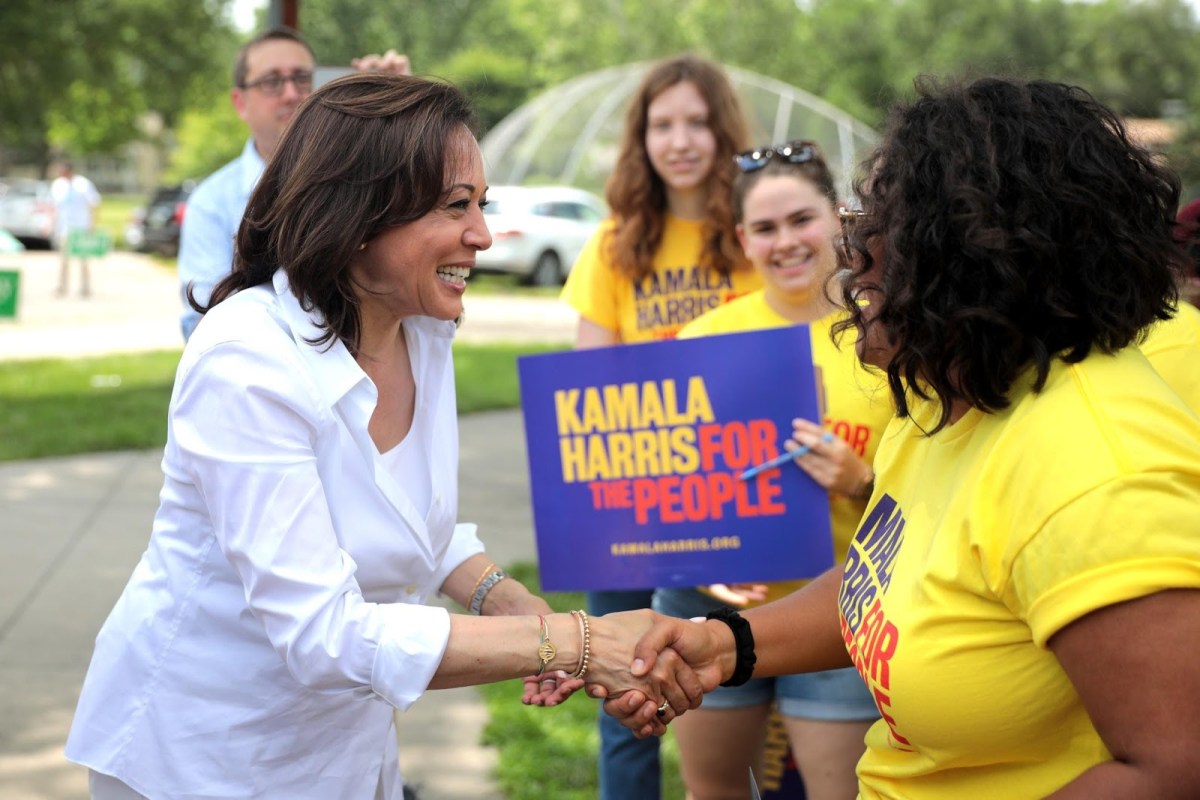
On 20th January, as Joe Biden was sworn in as United States of America’s 46th president, Democrats celebrated Donald Trump’s departure from the office while also rejoicing in Kamala Harris’ entry. Kamala Harris, the vice-president with several firsts, has been the talk of the news cycles ever since she was picked by Joe Biden as her running mate, after she suspended her own presidential campaign in August.  USA’s first woman, Indian-American, Asian vice president’s candidacy has added onto the world’s fixation with US politics because of the position and the power the country holds in global affairs. It is extremely important to acknowledge and appreciate Harris reclaiming space where women, especially black and other women of colour are constantly overlooked, silenced and shut — as also noted by Harris in her speech. This joy gets doubled when one looks at it as a victory that comes off at the heels of an administration that has  enabled white supremacy. 

Though Kamala’s Harris’ entry is a historical win for the United States of America in most means, people of the country are looking at Kamala Harris unidimensionally, and reducing her existence to only her identity:  Indians, both in USA and abroad, have been quick to claim her as their own, just like they have always been with every successful member of the diaspora, with remote links that root them back to the homeland. The internet is flooded with people from all over the world, especially Indians reacting to someone who “looks like them” making a place for herself in a majoritarian white-male office. From people calling her “Kamala Aunty” to Mindy Kaling claiming that her toddler does not see a difference between Harris and Kaling herself, Indians, mostly Hindu, out of which a significant portion is upper caste, immediately appropriated every aspect of Kamala Harris’ existence to make it their own. Many feminists are referring to Harris as “girlboss”, a term most commonly used to describe women in power, that has been criticised time and again for straying away from activism. 

Such a reductionary approach to a politician is definitely not new but it is dangerous as it tends to be used as a weapon by the candidates to mask their intentions and mislead the voters into buying a revisionist identity. Kamala Harris’ campaign is often seen focusing on Harris “going back to her roots”, whether it is making dosas with Mindy Kaling or talking about the importance of idlis and festivals in her mother’s house, time and time again we have seen Kamala Harris’ identity been marketed as an identity tool to appeal to a particular kind of vote bank — the upper castes from the Hindu diaspora through quick and lazy surface level tropes. Identity Politics, that is crucial for bringing forward a diverse panel to avoid trampling of minorities in the country, is increasingly being misinterpreted and reduced to a marketing tactic that caters to the “feel good” sentimentality without actually bringing any tangible change. 

Representation holds concrete value, however, only when the candidate reflects back onto the struggles of the community they claim to represent. There is nothing about Kamala Harris’ candidature that separates her from her white colleagues and opponents. . It is extremely hypocritical of Harris to bring up her “Jamaican roots” and talk about smoking pot as a youngster and claiming to be for the legalisation of the same. when she saw around 2,000 marijuana related convictions during her term in San-Francisco.  All this is just talk that profits off people’s struggles by giving them a false sense of relatability when in reality it is hollow, keeps stereotypes alive,while enabling divide and rule of the proletariat. This kind of playing on the sentiments of the voters also helps the public hold their representatives less accountable — the marketing strategies of the campaign are rolled out in such a manner that only diverts all attention to just one part of the candidate, their persona, completely taking away the focus from their policies and ideology.  

During the peak of Black Lives Matter movement in America, the Jamaican side of Kamala Harris’ identity was brought out time and again. She called herself a proud black woman, talked about her experience as a black student in college, told the public about the societies she was a part of in college that helped her get a deeper understanding of her community and its struggles, she calls herself a “progressive prosecutor”. However, if one looks at her past actions, we can see how during her term alone in California, more than ⅔ of the men killed by police officers were people of colour, of which a majority were unarmed. She was also responsible for holding black men longer in jails when they were eligible for release just to extract cheap labour out of them. It is disheartening to see an important movement that seeks to bring resolution to racial disparity in the country being twisted to fit a political campaign and agenda, when the candidate does not comply with anything that the movement stands for. Kamala Harris’ campaign runs in a similar manner to that of any big co-operative, where they take people’s real struggles, and capitalise on them under the false pretense of bringing forward a social change — like how brands do with LGBT struggles during the pride month.   

Kamala Harris has also constantly referred to herself as a feminist beacon, who purportedly understands women’s struggles when her activites have shown otherwise. Harris has not done much that aligned with the feminist movement, more so, she has been dangerous to the sex workers and the trans community alike. In 2008, Kamal Harris opposed the Proposition K, which was directed at decriminalisation of sex work and prevention of STIs. She argued that Proposition K unfurled “a welcome mat for pimps and prostitutes to come into San Francisco”. Her campaign completely ignores this past of Kamala, which had put women into danger and continues to show her as a feminist crusader and a “girlboss” who would bring a fresh perspective and voice into the US politics. She willingness of people to selectively see their candidates as it seems fit to them, makes it even more convenient for the campaign to do so. She also claims to be pro-decriminalisation of sex work but has not even commented to make amends to this action she undertook as an attorney general. 

The Democratic party during the Biden-Harris campaign has shown exactly what happens when neo-liberals twist the identity politics model, and reduce it to a weapon that centres itself around one aspect of an individual’s identity and uses it as a ladder while aligning with interests do nothing to dismantle a pre-existing model, all the while disillusioning the masses into believing that they would bring some concrete and effective change. 

Madhulika Agarwal is a third year English and Media Studies major who is interested in literature by children and for children. When she is not lamenting over her tiktok career that ended before it could start, she likes learning about animals and reading books with good art in them. 

We publish all articles under a Creative Commons Attribution-Noderivatives license. This means any news organisation, blog, website, newspaper or newsletter can republish our pieces for free, provided they attribute the original source (OpenAxis).

Categories
Issue 6

India and the World: Looking into 2021

“I firmly believe that 2020 will be known, not as a year of external disruption, but as a year of internal discovery, for our society and for our nation,” 

Prime Minister Narendra Modi wrote these words for an exclusive article in the Manorama Yearbook 2021. While his words were meant to bring hope for India in times of crisis it also raised questions of how the pandemic altered the country’s position in the international community. 

Claims that India will be a superpower by 2020 have been thrown around by academics, economists and patriotic bhakts for over two decades. These claims can be traced back to India 2020: A Vision for the New Millennium by APJ Abdul Kalam. In this book Kalam laid down his prediction of an India that would have eliminated poverty, have a high amount of women in the work force and would be an economic giant by the year 2020. These predictions could now be considered optimistic at best and completely delusional at worst. 

Coming into 2020 it was quite apparent that we hadn’t even touched the surface of becoming a poverty free nation. The World Economic Forum (WEF) released a report in January 2020 claiming that it will take seven generations for Indians born in low income families to even approach the country’s mean income. The 2020 Global Multidimensional Poverty Index (MPI) identified 27.9% of the population as multidimensionally poor,  the number was 36.8% for rural and 9.2% for urban India. Even promises about the increasing involvement of women in the workforce has proved to be quite inaccurate. India’s female labour force participation rate fell to a historic low in 2018.  India is currently the most disadvantaged country for women participation in South Asia. Economic predictions about India becoming a super power also seem like a big joke. Coming into 2020 the country’s 5% inflation-adjusted growth was the lowest since 2013 and the 7.5% nominal rate was the lowest since 1978. The country that once had one of the fastest growing economies, has not seen success over the last few years mainly due to several blunders in national economic policies and actions. 

While the above numbers may just seem like confusing statistics they shed light on a much larger issue the Indian economy needs to counter. Low participation of women in the workforce doesn’t just shed light on the gender disparity that is evidently prevalent in the Indian patriarchal structure, but also showcases wastage of a large chunk of the country’s working population. 

A high poverty rate in the country’s population is a clear result of poor fiscal management on part of the government. The fact that a majority of the country’s workforce is employed in a sector that contributes the least to its GDP should be a clear indication that the Indian economy is in desperate need of a transformation. The record low inflation rates shows that the country is displaying minimal growth. All of these indicators point to one answer – India is nowhere close to being a developed nation.

India stepped into 2020 with an economic slowdown characterised by high poverty rates and increasing unemployment. The country was in turmoil as mass protests broke out in all states surrounding the people’s outrage towards the government’s discriminatory citizenship laws (NRC/CAA). This year was also not free of obstacles for the country, the biggest obstacle obviously being the COVID-19 pandemic. The Indian economy that was already suffering before the year started has taken massive hits, as the country has now officially entered a technical recession. The country is now faced with farmer protests due to the government’s new Farm Bills that potentially threaten the stability of their income. So what does all this mean for India’s position in the world?

The Indian economy took a larger hit than any other major economy. In the April-June quarter, the country’s GDP shrank by 23.9% , the worst contraction in its history. India also entered a technical recession for the first time since 1947. The International Monetary Fund (IMF) calculations showed that the Indian economy had taken a “uniquely” larger hit than most other countries. While their 2020 growth projections showed upward trends for countries like Bangladesh, China and Vietnam, India’s GDP dip due to the pandemic was more than double the global average fall. Infact China’s trade surplus widened to a record, gaining a 21% increase (for the month of November) in exports from a year earlier. 

The Modi government has tried to ensure the public that this fall in the GDP is temporary and promised that the economy will rebound rapidly, calling it a “V shaped recovery”.  In reality though this is quite unlikely. Sabyasachi Kar’s model predicts that it will take up to 2033 for India to get back on the pre-Covid growth path if the country’s GDP grows at a rate of 7% for the next 13 years. Another projection made by scroll.in shows that if India’s GDP grows at a realistic 6.1% instead of Kar’s 7% estimate, it will take almost three decades (upto 2049) for the country’s GDP to get back on a growth path. While the Indian government is planning on introducing policies to ensure growth, the country’s standard growth policies are being ineffective. States across the country are seeing a reduction in their capital expenditures (CAPEX) , this is mostly due to the fall in revenue due to the pandemic. This reduction in revenue and CAPEX basically means that the government isn’t investing close to enough money on roads, energy plants and other necessary infrastructure. An increased investment in infrastructure is peremptory if the country is to get back on its feet, and the current spending capacity of the states is only going to make post covid recovery much harder. 

Nirmala Sitharaman had stated that the COVID-19 pandemic was an “Act of God” which may result in a contraction in India’s growth. But India’s position as a potential superpower has been threatened for the last 6 years, and the pandemic has only acted as a catalyst for an economy that was already crumbling. While we can try to stay optimistic and hope that the government’s plans pay off, it’s almost impossible that the country can get back to the growth it enjoyed in the 1990s and 2000s.

Karantaj Singh finished his undergraduate in History and International Relations. He is now pursuing a minor in Media Studies and Politics during his time at the Ashoka Scholars Programme. He enjoys gaming and comics in his free time.

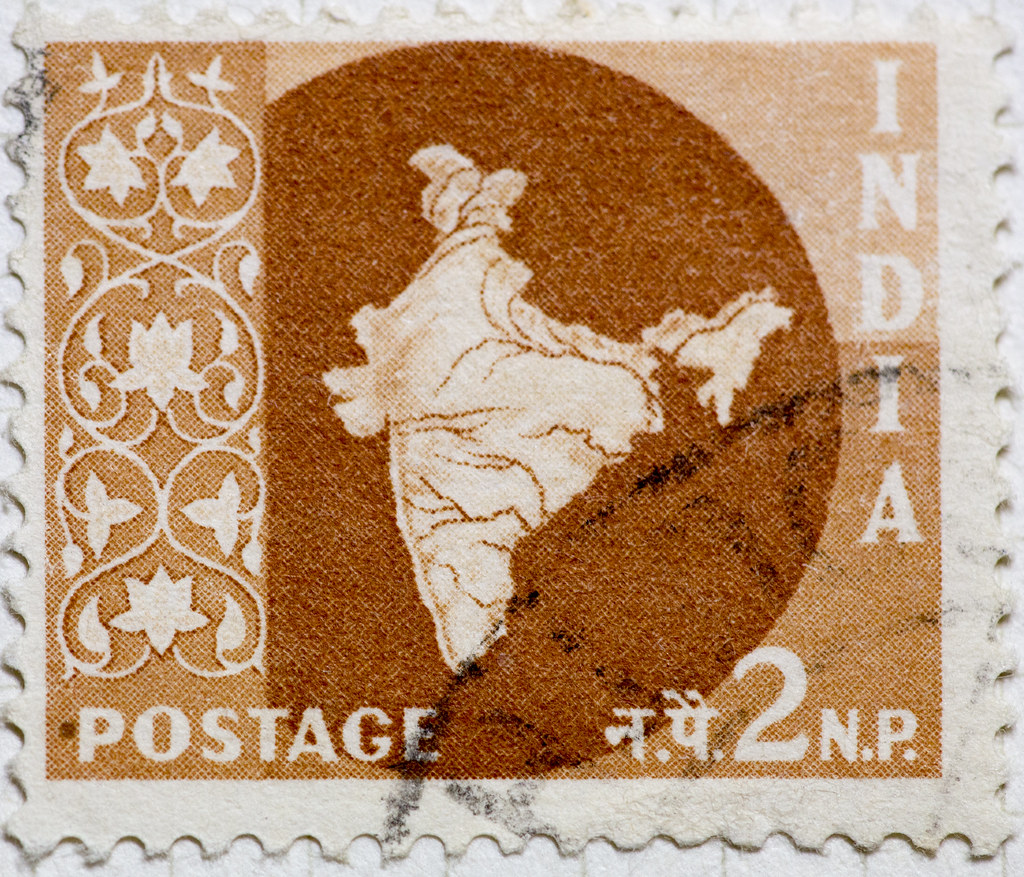
Picture Credit: “India Map 2 N” by Mark Morgan Trinidad A is licensed under CC BY 2.0

We publish all articles under a Creative Commons Attribution-Noderivatives license. This means any news organisation, blog, website, newspaper or newsletter can republish our pieces for free, provided they attribute the original source (OpenAxis).
Categories
Issue 6

Politics of Viewership : What can Patriotic Films Tell Us?

While some films and shows have explicit propaganda and political alignments that they aim to put forward, there is content that handles the ideological waves shifting around us in much more subtle ways. With the global far right and Populist Waves gaining momentum, as observed in the administrations all around the world (recently disrupted by the fall of Trump’s administration in the US), is there a shift in storytelling on screen and how viewers converse with the content they are consuming? 

In the Indian context, we’ve had films like Uri (2019) being highly celebrated for portraying the valor of the soldiers for the surgical strikes in our neighboring country of Pakistan. The general conversations that the film provokes are not completely new, Pakistan has been in the cinematic realm since the 1947 Partition and has been villainized more so post the Bangladesh war in 1975 and Kargil war in 1999 – like in Border (1997) which is based on the Bangladesh Liberation  War of 1971. Films like this bank on the invocation of patriotism from the viewers, India wins at the end and the audience is rooting for the Indian soldiers to survive the war. But Border was released 26 years after the war that it was based on; by virtue of the distance of time it ended up making an appeal against war and the trauma it causes to soldiers and their families on both sides. Thus, the shift from Border to Uri lies in the fact that the latter’s audience was prompted to make a connection between the success of the mission and the upcoming elections, and the eventual re-formation of the BJP led government. 

Also, in light of the 2019 general elections – The Accidental Prime Minister (January 2019) and PM Narendra Modi (May 2019) are important to note. The former looks at India’s former PM Manmohan Singh and his term and the latter at the rise of Modi; the timing and the titles are enough to indicate the propagandist nature of the releases. 

The above-mentioned films were a little too on the nose about their affiliations and ideological leanings. But let’s look at other Indian films and how the patterns of invoking patriotism seem to be shifting. 

In the early days of our country’s independence movement, filmmakers were making films that would be against the empire, songs and stories based on the concept of swaraj. Nationalist agendas and patriotism were achieved in these through rebellion and attacking the ones with power. The British administration would fight back by trying to censor any inflammatory songs or messages, although language was an obstacle they had to get by first. Post-independence, films critiqued the conditions of the 1947 partition and the violence that had happened, and would continue to point out the corruption, unemployment and other vices that the government needs to deal with, while also celebrating the newly formed democracy. 

More recently, the quantity of sports biographical films, based on real life incidents and successes where Team India won and made its citizens proud has increased. Chak De India (2007) was a fictional narrative about the Indian women  hockey team winning the World Cup. But in the next decade, prompted by the success of Bhaag Mikha Bhaag in 2013, we had lieu of real-life sports victories – Dangal (2016), Saala Khadoos (2016), MS Dhoni: The Untold Story (2016) and Mary Kom (2014). Though Chak De India had an additional victory in the acceptance of Shah Rukh Khan as a Muslim coach – the patriotism had widened from being just a sports win to a reinstatement of India’s status as a multi-cultural, secular country. 

Fictionalized true life events make it easier for connections to be made between real and reel life politics, like with Uri. The conflation may or may not be co-incidental, the inspirational incidents may be old and the films new – but the rise in the top-grossing films that invoke patriotism only through real life wins indicates that the space for losses, for the state’s vulnerabilities being explored and exposed, has reduced. Dangal does mention the ill conditions of the country’s sports facilities, but such critiques are too far and too few. 

The biographical patriotic films aren’t limited thematically to just sports. Films like Mission Mangal (2019) celebrate the success of India’s space triumphs. And Pad Man (2018) pats the country’s back in terms of social awareness movements. Also, Parmanu:The Story of Pokhran (2018), based on the Indian army’s nuclear test bomb explosions in 1998. These are a stark contrast from films being made in the previous decade – films like Rang De Basanti (2006) and A Wednesday (2008) or even Nayak (2001) which implore patriotism through protest and rebellion. 

The branding of what it means to be patriotic has itself shifted for Indian cinema. 

The influence of populist waves, films seem to be choosing safer narratives, to only talk about the successes of India instead of critiquing the state and invoking the administration as an accountable figure in the context of nation making. The shift can also possibly be marked down to the lack of funding support or production feasibility of rebellious films and stories. Considering the losses that film productions can bear when they run into trouble with certain right-wing Nationalist groups (self-appointed protectors of the administration that is being critiqued) maybe playing it safe is the future for cinema.

Jaskiran is an English and Media Studies graduate from Ashoka University. She is now working on her capstone project on representations of terrorism and nationalism in cinema as a student of Ashoka’s Scholars Programme.

We publish all articles under a Creative Commons Attribution-Noderivatives license. This means any news organisation, blog, website, newspaper or newsletter can republish our pieces for free, provided they attribute the original source (OpenAxis).

Categories
Issue 5

The compass of war is centered right at home.

Why do people go to war? Is it a feeling of surrendering yourself to your country? Is it driven by necessity and socio-economic conditions? Is it a larger cause that drives you to condone and carry out violence, provided it is directed towards the ‘right’ target? Perhaps the reason cannot be boxed into a category.

Whatever be the motivation, through the conceptions of conventional war, a couple of themes remain ever-present. War distances you from you from your locale and loved ones. War puts you in danger. War puts involved parties at vulnerable proximities, oftentimes in very close contact with the enemy, it forces you to kill at close range.

With the coming of new technology, the perceived proximity with the enemy is being challenged. Let’s look at the case of the 44 day war in the area of Nagorno-Karabakh that erupted in September this year. Armenia and Azerbaijan have agreed to a peace deal after six weeks of conflict in the area. While the conflict has a tense history since the 1980s, the most recent spurt of violence left more than a 100 people dead. The deal, brokered by Russia, was signed on November 9. Correspondents like Robyn Dixon of The Washington Post have hailed drone warfare as the primary reason for Azerbaijan’s upper-hand in the conflict. Not only did it play an important part to help Azerbaijan gain military supremacy; the increasing use of drones in military conflict also provides a lens into the future of warfare. 

Nagorno-Karabakh has been a trigger for violence since the 1980s in light of the collapse of the Soviet Union. Here, the population is ethnically Armenian while the land is inside the international boundary of Azerbaijan. In 1991, the Nagorno-Karabakh Armenians declared independence. They were supported by Armenia in the war that erupted after. The altercations ended  with a ceasefire agreement in 1994. The agreement was uneasy at best, leaving about 600,000 Azerbaijanis from Nagorno-Karabakh and seven surrounding districts stranded away from their homes. 

Religious sentiments exacerbate historical tensions. It can be seen here as well.. The majority of Armenians are Christians whereas Muslims make up most of the Azerbaijan population. Both accuse each other of destroying temple sites among others.

It is in this context of such gradually heightened tensions that the 2020 violence has been different from all previous instances of conflict. Azerbaijan has used drones extensively to repeatedly bombard the capital of Nagorno-Karabakh, Stepanakertl. Conflicts build on constructing the ‘other’, an entity which is different from you either politically, ethnically, linguistically, religiously; or perhaps, on all those counts. Technology such as drones in warfare make sure that while the ideas of othering don’t change, the effects alter drastically. 

Think of what Donna Haraway calls the ‘god-trick’. This idea, simply put, is the ability to observe everywhere while being situated nowhere. This has persisted in fields of study such as history; especially that which deals with putting onus like colonialism. If you are nowhere, then you cannot possibly be blamed. Drones seem to have brought this conception to reality and warfare in a concrete way. 

The drone, or any other similar form of aerial surveillance, enables you to emulate a God figure on two counts– knowledge and visuals. It is not simply about what you can see but what you can think to see. The sights which earlier were limited to God are now seemingly perfected by man. It is of course an illusion, however, as ‘nowhere’ isn’t really possible– everything and everyone has their own politics, their own biases and their own vantage points. Therefore, three crucial aspects are ignored– partiality, situationality and locality, all hinting at the limitations of human surveillance. What the technology sees is determined by people and has a humane character to it. Therefore, it is prone to the lens, view and context of the operator. Usage of the drone then is not simply about differences in what is seen, but schisms in technology, and knowledge itself. 

This problematizes two things– first, the proximity to your target and second, who your target is. Home becomes the axis to understand the changing nature of warfare as operation of such weapons does not need presence in the battlefield. What is it then that the drone can see? Both are inherently tied to the idea of ‘rightness’ that I mentioned earlier. The basic idea is that you only kill combatants in war. They are people who are driven by the similar motives you have for their causes and their countries; and with whom you enter into an unspoken contract– it is okay for me to kill you and you to kill me. The conversation surrounding ‘right’ targets is important as harm to civilians is seen as something outside the norm for warfare. The Agence-France Presse reported that in the Nagorno-Karabakh conflict, Armenia had recorded 13 civilian deaths in early October. Azerbaijan had declined to report military casualties but reported 19 civilian casualties. 

In addition, the language that unmanned vehicles use is rational. It depends on abstractions and identity markers. What follows is a purely techno-strategic discourse which ignores humane aspects in pursuance of ‘targets’. People are seen as kill-able bodies through the  reinforcement of stereotypes. When the reliance is on identity markers, the trope with which drones are hailed as the future gets punctured. They can no longer bank on their precision when they deal in generalisations and result in any number of civilian casualties. Geographies of security hence move beyond the battlefield. 

Drones then cease to be simply machines of aerial surveillance and combat, but also complicate the distance-intimacy nexus. So we have a situation where the stereotypes remain, the distance increases, and the financial ease gives way. If aspects of war ever were humane, leaving it to algorithmic artificial intelligence removes that element completely. 

Sanya Chandra is a student of History, International Relations, and Media Studies at Ashoka University.

Image Credit: Pxfeul.com

We publish all articles under a Creative Commons Attribution-Noderivatives license. This means any news organisation, blog, website, newspaper or newsletter can republish our pieces for free, provided they attribute the original source (OpenAxis). 

Categories
Issue 5

Understanding the French Principle of Laïcité

On 16 October, Samuel Paty, a 47-year old teacher was brutally beheaded in northern Paris outside his school. Days before his beheading, Paty had been receiving online death threats for showing his students controversial cartoons of Prophet Mohammed which were first published in Denmark and then reproduced by the French satirical magazine, Charlie Hebdo. In France, the right to offend has always existed. Thus, the horrific murder of Paty was viewed as a violation of these rights that allow the people of France to commit acts that offend religion. The incident sent shockwaves across France because it was also viewed as an attack on education and education lies at the heart of what it means to be French. The outrage created swells of demonstrations and fueled deliberations over the longstanding French notion of secularism.

To understand the notion of secularism in France, it is necessary to examine the French principle of laïcité, under which the state is obliged to adopt a position of neutrality towards religious beliefs. Personal laws, inherent in every religion, find no place in the French Constitution. Thus, there is complete isolation of religion from the public sphere. While the wearing of overt religious symbols is not allowed either in the civil services or public spaces like government hospitals, post offices and government schools, there is complete freedom to exercise religion in the private realm. People are free to attend any religious institution and follow any religious norm as long as they do so in private spaces.

This notion of laïcité, where the state adopts a position of neutrality towards religious beliefs, was not inherent to the French system of governance. A great deal of historical struggle and fighting led to the acceptance of laïcité as a principle. It is important to recognize that religion lies at the heart of all the wars in France.

Between 1562 and 1598, the French witnessed the Wars of Religion. It was a series of nine bloody wars fought between two factions of the same religion, Catholics and Protestants.

Then, from 1789 to 1799, during the French Revolution, Louis XVI, who had exercised complete control of France between 1661 and 1715, was overthrown. A National Constituent Assembly was formed and the Declaration of the Rights of Man and of the Citizen was proclaimed. This declaration was important for France because it established individual rights that were protected by law. The revolutionaries declared the French Republic and stripped away special powers of the Catholic Church in an attempt to tame the Church that had enjoyed centuries of control. For the first time, the Jews, who were an outlawed community, were finally allowed to own property. In 1791, the first French Constitution was adopted and introduced the idea of freedom of religion in the land. The freedom to practice different faiths was allowed.

Between 1799 and 1905, a progressive dilution of the powers of the Catholic Church took place in post-revolutionary France. During this period, the Jules Ferry Laws were established. Catholic clerics were not allowed to infiltrate schools by becoming teachers. Thus, the laws ensured secularity in the schools of France. The systematic chipping away of the powers from the Church eventually led to the creation of secular laws in France.  

Finally, in 1905, the French law, on the separation of the Church and the State was introduced. It was based on three ideas: neutrality of the State, freedom of religious exercise and public powers related to the Church. This means that while the State maintains neutrality, it continues to exercise discretionary powers that allow it to intervene in religious matters. This was the period when the French notion of secularism emerged and the principle of laïcité was established.

When the law came into force, the State declared that the citizens of France would be recognised independent of their religious or ethnic background. Although initially, the immigrants and minority communities of the country did not face issues of discrimination, instances of everyday racism increased after the 1970s.

In the post-war era, there was a steep decline in manpower in France. Thus, France invited male immigrants from many countries to work in the booming industries of the State. While France had existing immigrants from neighbouring countries like Italy, Spain and Portugal, for the first time, this wave of immigrants also included people from non-White countries like Northern Africa, namely Algeria, Tunisia and Morocco, as well as sub-Saharan Africa, where Islam is widespread. Leaving their families behind, due to restrictions from the French state, these immigrants lived in poor suburban communities where instances of racism and discrimination were not that widespread.

Problems started emerging during the 1970s economic downturn. Just like most countries, France was also severely impacted by the 1973 oil crisis. This led to the closing of several factories in France. By this time, the French state had reunited the immigrants with their families. Living in the fringes of society, the immigrants suffered due to increasing unemployment and the burden to feed their families. The immigrants from Europe and other white Caucasian countries were able to merge into a predominantly Judeo-Christian France. Physical differences, like the colour of one’s skin, made it difficult for the African immigrants (mostly Muslim) to assimilate into society. Communities of immigrant workers became increasingly isolated and the instances of everyday discrimination started becoming more prominent.

Although under laïcité, rights are given to every French person, these rules were made at a time when the country did not experience a wave of non-white immigrants. Religious diversity was not prominent in 1905. Assimilation of North African communities who came to live in France and the French-born Muslims, proved to be difficult. Adding to this, several disputes started arising with issues of religious freedom and the notion of laïcité.

In 1989, tense debates started growing on the wearing of overt religious symbols in France after three Muslim girls were suspended from a public school upon refusing to remove their headscarves. After years of debate, the 2004 law which banned “the wearing of symbols and apparel by which a student conspicuously expresses religious affiliation in public schools”, was passed by the French parliament. The Jewish skullcap, Christian crosses and the Hijab, all religious symbols we banned. Then in 2010, a law was passed prohibiting the concealment of the face in public, thus banning clothes like the niqab. Such laws, which have created hostility between the Muslims and the French State have only intensified due to the increasing number of terrorist attacks in France by radical-militant Islamists.  

Charlie Hebdo is a French satirical magazine that produces cartoons and jokes about religious heads who promote blind belief, pokes fun at obscure existing norms and calls out forms of absurdity. After the 2015 attacks on the magazine by terrorists of militant Islam and al-Qaeda, people increasingly began looking at Islam as a religion that promotes violence, contributing to the ever-growing Islamophobia in the country.

While the principle of laïcité was intended to instill secularism, it was created at a time when the French Constitution did not need to worry about the practices of a diverse range of religions. Although these controversial laws apply to all religions, the last few years have shifted the focus of discourse to Islamic practices. The complete removal of religion from public spaces may have worked in the past, but growing religious and cultural tensions have raised many questions with regards to the French notion of laïcité. Till what extent is the State willing to go, to maintain its principle of laïcité? If a community feels marginalized, should the state alter its principles?

Shrishti is a Politics, Philosophy and Economics major at Ashoka University. In her free time, you’ll find her cooking, dancing or photographing.

We publish all articles under a Creative Commons Attribution-Noderivatives license. This means any news organisation, blog, website, newspaper or newsletter can republish our pieces for free, provided they attribute the original source (OpenAxis). 

Categories
Issue 4

How a Jailed Activist Continues to Influence Assam’s Politics: Conversations Regarding Akhil Gogoi

Akhil Gogoi continues to languish in jail. He was arrested on December 12 last year from Assam’s Jorhat district amid protests against the Citizenship (Amendment) Act. Even though the year 2019 witnessed the state boiling, the leader of the peasant organization Krishak Mukti Sangram Samiti (KMSS) continues to remain one of the most relevant figures in Assam’s politics till today. In a state where emotions rise fast and fall faster, the public reaction to Gogoi’s incarceration is no exception. With the Legislative Assembly elections scheduled for April 2021, discussions about an alternative to the Bharatiya Janata Party (BJP)-led state government and Gogoi’s role in it, are gaining momentum.

On October 2, 2020, KMSS, led by its president Bhasco De Saikia, announced a new political party. Raijor Dol (meaning People’s Party), launched at a hotel in Guwahati in the presence of leaders from civil society, youth organizations and dignitaries like Jahnu Barua, Zerifa Wahid and Arup Borbora, is the second political party launched in the state in less than a month. On September 14, leaders from the All Assam Students’ Union (AASU) and the Asom Jatiyatabadi Yuba Chatra Parishad (AJYCP) came together to form the Assam Jatiya Parishad (AJP). Like Raijor Dol, AJP is also hoping to turn the anti-CAA sentiments into votes in the upcoming elections.

As these developments were unfolding, Akhil Gogoi remained fairly silent. I spoke to a few academics and political commentators working on Assam, intending to understand the continued importance of the man in the scheme of things. “Akhil Gogoi, through the KMSS, brought about a substantive change to the politics that we are used to. He brought the people at the margins, i.e., the peasantry and the forest dwellers, to the centre-stage of politics. We did not see it either during the Assam Agitation or in the armed movements in the region. He did it through popular mobilization. Thereby, he provided a critic of the system from the perspective of structural inequalities. He keeps on trying to use all available means within a liberal democratic system to expose the limitations of the system itself,” says Akhil Ranjan Dutta, professor and head of the Department of Political Science at Gauhati University and a well-known political pundit from the region. 

Kaustubh Deka, who teaches the same discipline in eastern Assam’s Dibrugarh University noted that it is because of Gogoi’s multiple roles that he has assumed a unique importance in Assam’s politics. “AG’s importance in Assam politics needs to be understood in a threefold manner: as an efficient mobiliser of masses, as an ideological anchor to many and as a polarising force for some,” opines Deka, who was associated with The Hindu Centre for Politics and Public Policy in Chennai and the Centre for North East Studies and Policy Research, Jamia Millia Islamia in New Delhi, before moving home to Assam. 

Admitting that Akhil Gogoi is “certainly and undeniably a pivotal figure in Assam’s politics today”, Angshuman Choudhury, a Senior Researcher and Coordinator of the South East Asia Research Programme at the Institute of Peace and Conflict Studies, also alludes to the “peculiar” space in Assamese politics that Gogoi occupies. Choudhury, who also holds an MSc in Conflict Prevention and Peacebuilding from the School of Government and International Affairs at Durham University, calls this space “both primordially progressive and conservative at the same time”.

“He offers a template of resistance that appears radically modern and unrelenting at the outset, but is ultimately couched in the divisive orthodoxy of jati-mati-bheti. Let me state this in somewhat different terms. Akhil’s politics has a compelling duality to it – he reminds people of the agitational, deeply romanticised Assam Movement tradition, and also refracts the post-movement popular disenchantment with mainstream politics (think AGP, Congress) and civil society (think AASU, AJYCP). Perhaps many others have occupied that space, but Akhil brought it out into the streets through both grassroots-level and performative activism. Sadly, however, he remains locked in that duality, which prevents him from being a full-throated progressive. Akhil has constantly anchored his activism in the khilonjiya political vocabulary of insider-vs-outsider, which sustains his popular appeal amongst the dominant Assamese-speaking groups but also renders him no different from past political figures in Assam. Sure, he has persistently led movements that speak to both hyper-local issues (like displacement, farmer rights, bus fares, etc.) and larger structural ailments (like ecological destruction through centralised development), but largely within the ambit of the traditional indigeneity framework that foregrounds a certain ethno-territorial identity over others. By doing so, Akhil has consistently thwarted the possibility of a truly plural and anti-fascist Assamese society. I see his support to BJP candidates in the 2014 national election, NRC and the detention process in that context. So in more ways than one, Akhil, to me, represents the immovability of Assamese politics and civil society. He reflects the uncontested dominance of the anti-immigrant discourse in the politics of Brahmaputra Valley. Yet, at a time when a culturally supremacist regime in New Delhi is steamrolling controversial policies in Assam without broader consultations and cracking down on dissenters, he fulfills an in-built need within the Assamese nationalist paradigm to resist the politics of New Delhi and Dispur.”

When I was writing a profile of Akhil Gogoi soon after his arrest, one of the people I spoke to had asked, rhetorically, why people would side with the KMSS and not with the AASU if they wanted to support Assamese nationalism, since the latter has unapologetically and staunchly represented jatiyotabaad – the Assamese word for (sub)nationalism. The balancing act that the peasant leader has been trying to perform after realizing that the middle-class was treating him as a troublemaker has seen him aligning more with jatiyotabaadi causes in recent years. 

“As far as his political journeys goes, in his long stint, AG has achieved something without much parallel in Assam. From the days of his Dayang Tengani ‘long march’, AG has been an ardent practitioner of mass politics and to his credit, he has not only retained his mass base but also expanded it over the years. He has done it without holding any important office (winning elections) or deviating from his core ideological positions (maintaining a level of consistency). This makes his case comparatively unique. Another feature of his journey is his own growth as a writer-ideologue cum ‘activist’. For the middle class, the image has been that of a ‘professional agitationist’, which seems to have begun to change as he is seen to have moved closer to the cause of ‘Axomiya jatiyotabaad’,” says Deka, when asked about Gogoi’s political journey. 

Prof Dutta believes that journey has been “full of meaningful engagements”. “The issue of environment in the development projects of the state came to the forefront through the popular mobilizations against the Lower Subansiri hydroelectric power project. The notion of ‘cumulative impact assessment on the environment’ was something that Akhil Gogoi made very popular. He has the capacity to read and understand the issues in minute details. He also provided an alternative understanding of land relations and land ownership in the state. On the water issue too, he brought to the forefront quite a number of significant and relevant issues. Most importantly, Akhil Gogoi understood the economy at the grassroots very well. It was not something based only on academic research. He definitely studied them, but he penetrated into the dynamics through direct contact with the people. His other important contribution is about understanding the economy of lower Assam. This has not been discussed by any other political leader at length. During the anti-CAA movement he played an important role towards making it inclusive by bridging the gap between Upper Assam and Lower Assam,” says the chairperson of the Brahmaputra Institute of Research and Development (BIRD) in Guwahati.

Choudhury too feels that the hope that Gogoi would forge a new left-progressive discourse did not last long and, he did not “depart from the ethnonationalist ecosystem”. “For instance, by lending support to candidates belonging to a right-wing, Hindu supremacist party like the BJP in 2014 just to defeat the Congress, Akhil revealed his ideological dubiousness. Then, by not speaking up for the rights and dignity of Bengal-origin Muslims in Assam during the NRC process, Akhil made it clear that he would keep one foot in the Assamese nationalist hearth. But the CAB protests proved to be the peak of his political career. It gave him the opportunity to gain greater visibility in Assam’s core urban spaces while fulfilling a two-fold objective: placating Assamese nationalists who oppose the CAB because it’s seemingly ‘anti-indigenous’ in nature, while also appealing to mainland progressives who oppose the CAB because its un-secular,” adds Choudhury who was recently a visiting fellow at the German Institute for International and Security Affairs in Berlin.

The forming of the student wing of the KMSS, Satra Mukti Sangram Samiti (SMSS) is a decision that “unleashed a new chapter in youth politics in Assam – something with deep consequences for later years, as we witnessed in the times of anti-CAA protests”, feels Dr Deka. A lot of SMSS cadres now find themselves in leadership roles in Raijor Dol.

None of the scholars I spoke to, however, was gung-ho about Akhil’s immediate electoral possibilities. “I am very skeptical about it. Electoral politics is a different game plan altogether. In a situation like Assam’s, the middle class is an important component in deciding the electoral dynamics and outcomes. Akhil Gogoi has not been careful enough to make them a part of his movement. In the initial phases, Gogoi and the KMSS were supported by a larger section of the middle class. However, his antagonistic approach towards the middle class has gradually drifted them away to a great extent. Therefore, he became more vulnerable to the state machinery. Besides, his approach to electoral politics has been both casual and at times very difficult for the common masses to understand. If Akhil Gogoi seriously wants to be in electoral politics, he must be in a position to ally with the mainstream left political and the progressive regional forces. He has been very critical of the mainstream left political forces. My understanding is that without a broad federal unity among the left-regional and progressive liberal democratic forces, it will be very difficult to be in electoral politics,” observes Akhil Ranjan Dutta.

“This buzz around Akhil Gogoi joining the electoral fray is very interesting as it centres around a lot of expectations and estimations”, responds Kaustubh Deka to the same question, before adding, “Personally speaking, I don’t share an equally zestful outlook on this matter. Akhil Gogoi as a mass mobiliser and Akhil Gogoi as an electoral force are two different scenarios. Voters in India are adept at donning multiple hats and there’s every possibility that the same people who have been filling the KMSS rallies are also joining another one by the BJP on the next day. AG knows this too perhaps and therefore, he knows the challenges he faces in entering a politics based on entitlements and dole-outs, without having anything similar to offer. Yes, he has powerful critique and a stellar track record. Because of these, I, however, wish to see him enter electoral politics. It will add a vibrancy to the debates. However, there is a paradox here which AG and his organisation faces, which is what in social science literature called as ‘social movement organisations’ (SMO), organisations built and sustained primarily around protests and social mobilisations. Their network chains and sub-culture thus fundamentally differ from a traditional political party. Yet, if they approach the election, the challenge will be to turn their disadvantages into advantages.”

Choudhury feels that Akhil Gogoi will lose his popular appeal if he enters mainstream politics in Assam. “Such is the nature of electoral politics that it mediates and moderates radicalism. So he might ultimately go the AGP (Asom Gana Parishad) way, and we all know what way that went in Assam. But to me, it doesn’t make much of a difference if he stays in or out of the electoral political structure. His core political ideologies (or non-ideologies) will remain the same. In fact, once he enters the vote game, he will only dig his feet deeper into the jati-mati-bheti ecosystem and speak a stronger ethnonationalist tongue. Right now, he still has some space to extend limited support to certain historically marginalised groups, like the Bengal-origin Muslims, but once he becomes a politician, that space will disappear rapidly. So my best guess is Akhil will only become a more orthodox version of himself once he enters electoral politics, if he isn’t dabbling in outright political opportunism, that is,” remarks Choudhury.

This lack of ideology that Choudhury suggests is, in fact, well-thought ‘tactical moves’, believes Deka. When asked to evaluate Akhil Gogoi’s recent comments to the media that all ‘anchalik‘ (regional) forces should be united, Deka told me, “Interestingly, Akhil Gogoi himself is the missing link here, with the chorus of the need to anyhow bring him to the ‘ancholikotabaadi’ fold increasing by the day. His is almost being considered by many as the Midas touch in Assam politics now. His comment is a sure indication that he wouldn’t mind joining forces with others including the AJP. The ball is in their court. Gogoi believes in tactical moves and for that, he sees it fine to take positions which might seem contrary to his ideological positions. This explains his call to support the BJP (as against the ruling Congress) in previous elections. I believe if he can somehow take everyone onboard in his tactical moves and all the ‘anchalik’ forces do unite, it might be a force to reckon with, given the collective organisational prowess. But the larger challenge would still, however, remain in my opinion, to convert the emotional/ideological support to votes.”

In other words, “the challenge will be to change the terms of politics itself”, the political scientist signs off.

Jyotirmoy Talukdar is a Senior Writing Fellow (English Language Teaching) at the Centre for Writing and Communication, Ashoka University. He is also a freelance journalist regularly contributing to HuffPost India, The Wire and various Assamese dailies.

Image Credit: Licensed under the Creative Commons Attribution-Share Alike 4.0 International

We publish all articles under a Creative Commons Attribution-Noderivatives license. This means any news organisation, blog, website, newspaper or newsletter can republish our pieces for free, provided they attribute the original source (OpenAxis). 

Categories
Issue 3

Tanishq: Victim of an uncontrollable beast

Image: screenshot from Advertisement

Much has been written about the controversy raised by the Tanishq ad that depicted an inter-faith marriage.

Since all of you would have seen the ad, I’ll refrain from wasting time and space describing the ad.

The big tragedy about the reams of editorial coverage in print and on news TV is that the focus is on the advertising industry and the debate has been reduced to a discussion on whether brands should ride on ‘political’ developments and ‘divisive’ subjects.

As far as I am concerned, the issue has little to do with advertising and all to do with the larger issue of the collapse of tolerance in society. Much of this erosion of tolerance is provoked by the need to follow the herd to be popular in social media.

Before we get to the crux of this article, which is ‘the interaction between social media and advertising in the Tanishq case’, let me give you a quick lesson in media.

For a moment, think of all news TV consumed as represented by a one-meter rule. All the viewership of ALL the news channels is represented by the one-meter rule. If you look at the share of ALL the English news channels, it will occupy perhaps ONE centimeter of this one-meter rule. “English news is very niche in India, and therefore accounts for only 1% share of News viewership at an All India level,” says BARC.

That’s it. That is the reach of English news channels. 

Yet, English news channels are not without influence – perhaps they enjoy unnatural and undue influence, thanks to the scale of India, the low allocation of funds to news-gathering in India – and social media.

So let me illustrate how this undue influence works.

Republic TV does a story, say, on match-fixing.

Republic’s social media handles all talk about this issue.

Republic’s social media team creates a flurry of hashtags connected to the story.

Republic’s social media team ‘buys’ reach (legally) on social media and cause the story and the hashtags to trend.

The underpaid and under-resourced journalists in small towns across India, with no budgets for travel or, indeed, for endless phone calls across the country, take the easy way out and follow ‘influencers’ on social media. In the current illustration, they’re following Republic’s handle and, of course, keeping an eye on trending topics.

So journalists across the country, thanks to this extraordinary, unchecked and unfettered ‘source’, viz social media, decide that the match-fixing story is VERY IMPORTANT.

And they write and file their own stories as well.

So much for what the media does.

The consumer, the citizen, does his or her own amplification, spurred by similar provocations.

The consumer, too, follows influencers and keeps track of hashtags and trends. In addition, the consumer keeps an eye on social media updates of friends and relatives and truly LOCAL infleuncers. 

And if the Republic match-fixing story pops up on these pages, up pops the Fear Of Missing Out (FOMO). In dealing with the fear, the consumer adds his or own bit of spice to the story, based on the echo chamber he or she lives in.

Now, let’s get back to the Tanishq ad.

Consider what has happened to a citizen of Jamshedpur who has no knowledge of Tanishq or the controversy, no problem with Hindus and Muslims marrying each other and has never seen the ad and has not seen the coverage on TV.

The story appears on Twitter because the citizen’s classmate RT’ed a tweet. In the RT, the citizen’s classmate denounced the ad, denounced Tanishq and denounced the Tata group.

Aware of FOMO, our hero, the citizen of Jamshedpur referred to earlier, RTs the RT.

And, as thousands of similar citizens do the same, a controversy is born, even if the ad has hardly been seen by the majority who protest about it.

Now it gets worse. Politicians of all hues, too, are on social media and follow the same trends.

And, very quickly, they find that they have the opportunity to ‘ride’ a trend. They can profit or lose by choosing one side of the controversy; in the Tanishq case, the ‘profitable’ side was to denounce inter-faith marriages and, consequently, denounce Tanishq.

So they ‘protest’ at Tanishq showrooms, confident in the knowledge that the protest will be covered by media.

And a new story will be born and aired by news channels.

And the new story will find its way into social media.

And the new story will come back to Jamshedpur.

And FOMO will make the new story trend….

It’s a new news cycle. Unchecked and without a sense of responsibility. More frighteningly, no one has control over this beast.

Tanishq was a victim of this uncontrolled and vicious beast.

The question is: Who is the next? And the next? And the next?

Anant Rangaswami is the editor of Storyboard, the advertising, media and marketing show on CNBC TV18. He is also senior editor at FirstPost.com, and has authored two books, ‘Watching from the Sidelines’ and ‘The Elephants in the Room: The future of advertising in India 2016.

We publish all articles under a Creative Commons Attribution-Noderivatives license. This means any news organisation, blog, website, newspaper or newsletter can republish our pieces for free, provided they attribute the original source (OpenAxis). 

Categories
Issue 3

Forget the Rhetoric: India cannot be the next China!

Image credits:  bmnnetwork

You have to be living under a rock if you haven’t noticed the global backlash against China.

China holds a position of producing a majority of the world’s products and probably will continue to do so in the near future. The industrial giant grew in a rapid and very unsustainable manner over the last few decades becoming a hub for outsourced manufacturing – from making toys and clothes to medical equipment and electronics. China’s aggressive economic growth and unfair trade practices coupled with diplomatic tensions (surrounding the pandemic and border disputes) have given life to the Quadrilateral Security Dialogue – a multilateral group comprising India, Japan and USA and Australia. The four nations resumed dialogue after November 2017 in an attempt to temper Chinese dominance in the Indo-pacific region. The dialogue has raised many questions, the most crucial being – who will now take the role of the ‘world factory’?  

Can India be the next China?

No. At least not in the near future…

While we have heard rhetoric that  often revolves around  how India has a young workforce while China has an ageing population or how the aggressive attributes of China are going to lead to its downfall and create room for new hubs of manufacturing . I beg you to open your mind past the rhetoric and consider some evident issues that won’t allow India to ‘replace’ China in the global market. 

All it takes to break down this rhetoric is a look at employment and GDP statistics through the primary, secondary and tertiary sectors.

I’m not saying that demographic figures aren’t  important, of course they are. But simply basing the fact that India can become the next manufacturing hub simply because of a younger population  is simply absurd. Let’s look at the Indian agricultural industry for example – while over  42% of the country’s man power is employed in the primary sector, it only contributes to approximately 17% of the GDP, making it the most populated and least efficient wing of the Indian economy. So if demographics and economic output was proportional, the Indian primary sector would be the pillar of our economy. 

Unlike most economic giants, India skipped industrialisation trying to build an economy that was driven by the tertiary sector, heavily reliant on a digital infrastructure and not a physical one. It’s hard to deny that the focus on the tertiary sector was a success looking at how it has formed the backbone of the Indian economy. While it only employs 32% of the country’s population it contributes to over 54% of the GDP. But a country that has a literacy rate of less than 78% and an inefficient primary sector, cannot simply rely on one wing of the economy. India needs to increase investment in manufacturing.

What can India do now?

Increasing investment and innovation would be an ideal first step…

Dynamic efficiency, a term any high school Economics student would know (and a concept China mastered) holds the key to India’s reign over global manufacturing. The term in this context would translate to high investment in innovation and technology in the short run that would allow industries to manufacture products at an efficient and economical manner in the long run. Chinese growth was and continues to be driven by some of the world’s highest investment rates, which has allowed the creation of the manufacturing muscle China proudly owns. While India only invests about 30% of its GDP into infrastructure, China has consistently invested 50%. 

China is continuing to innovate and invest, increasing the use of Artificial Intelligence (AI) in manufacturing. The Chinese State Council introduced an Artificial Intelligence Development Plan aiming to build a $150 billion national AI industry in the near future. Part of this plan involves  integrating AI technology in China’s factories . The application of AI in Chinese factories aims to target production R&D as well as the production process including: manufacturing, product development, logistics, monitoring and environmental safety. Companies like Shanghai STEP have created industrial robots along with control systems and software for industries that have effectively transformed welding, packaging, construction, and machining. Even logistics technologies are being powered by AI, to bring productive efficiency in Chinese factories to a whole new level. The use of  AI in Chinese factors holds great potential, taking away the threat posed by the country’s ageing population. While the Indian economy is still taking baby steps towards an industrial economy, the Chinese manufacturing sector is already evolving to suit the needs of the future. It is peremptory that India dedicate their efforts to increasing infrastructure if they are to compete in the global manufacturing market. 

What role do politics play?

An important one for sure…

While the Indian democratic system has its many positives, it also has its own limitations, especially when it comes to economic reform. When working on infrastructural projects such as construction of power plants, the Chinese government can simply acquire land and compensate the affected people. Taking on similar projects in India would have several barriers because of the limitations of central control on states, political procedure and legal disputes. For example if a decision to contract a high speed railway line passes in the Lok Sabha, the process maybe delayed and blocked by the Rajya Sabha. Let’s assume that the project is approved in both houses, issues such as raising government revenue or displacement of minorities more often than not hinders the process. The Indian democracy hence has to fight many battles (one at a time) as part of this infrastructure politics.

‘It is impossible to make one generation better off without making any other generation worse off.’

This is a basic rule for an economy that needs to achieve dynamic efficiency. It is going to take a lot of planning, spending and sacrifice if India is going to even be a contender for becoming the world’s factory. While political and economic reform of such extent is too much to ask for, it is the need of the hour. The country has abundant raw material and a mammoth working population, but falls short on investments and planning. India will have to completely shift its economic structure, which will have repercussions that the Indian society and economy may not be prepared to handle.

Karantaj Singh finished his undergraduate in History and International Relations. He is now pursuing a minor in Media Studies and Politics during his time at the Ashoka Scholars Programme. He enjoys gaming and comics in his free time.

We publish all articles under a Creative Commons Attribution-Noderivatives license. This means any news organisation, blog, website, newspaper or newsletter can republish our pieces for free, provided they attribute the original source (OpenAxis). 

Categories
Issue 3

Do Social Media Protests Amount To Anything In India?

“Twitter storm at 9 PM with #BringMigrantsHome”. “Please share #EndSARS”. Hundreds of thousands of hashtags like these are being used to protest on social media. The most recent of these is the hashtag #DalitLivesMatter in the wake of a brutal rape and murder of a Dalit girl in Uttar Pradesh. 

The past decade has seen an exponential increase in the number of social media users world over, with Facebook, Instagram and Twitter being the most popular few. A McKinsey report states that India had around 294 million social media users in 2018, with this figure only increasing. Anna Hazare’s Anti-corruption movement was one of the first to use social media as a tool for social movements and protests. With the COVID induced lockdown, physical protests are no longer possible and social media has become the primary protest medium. 

Protests earlier required careful planning and organisation with people sometimes having to go door to door to raise awareness. Social media has greatly accelerated this process. The December 2019 attack on JNU students saw immediate protests on the same night, mobilised through social media. More importantly, social media has helped movements reach wider, sometimes international audiences without having to depend on traditional media outlets. Hashtags are an important tool — the more they are used, the more popular they become. The #MeToo movement highlights the immense potential of online protests. Not only did women feel more empowered to come forward with their own stories, governments and companies world over instituted sexual harassment policies and began to take reports much more seriously. The story is a little different in India.

Multiple reports state that two years after the MeToo movement gained traction in India, little has changed. Most of the accused continue to live their lives unaffected by the movement. While the immediate movement saw an outpouring of anger, the storm died down quickly and things were back to normal. It had all but disappeared from the media and national conscience alike. The movement lasted for roughly 3 months since it took off in October 2018. Many companies created Internal Complaints Committees and sensitisation workshops, but it was mostly lip service. MeToo continues to exist in the online space, primarily due to its prominence in the western world.

The infamous “Bois Locker Room” group chats that surfaced in May 2020 met a similar fate. Screenshots of a private Instagram group chat consisted of teenage boys from National Capital Region schools sharing intimate images of teenage girls, sexualising and body-shaming them. These screenshots were widely shared on social media. The police soon caught wind of these and conducted an investigation. What followed was dubbed mini #MeToo movement with people coming out with similar stories of online harassment that they had faced. After the news of police action spread, social media users and a few newspapers and television channels were preoccupied with this case for two weeks, debating the causes and correctional measures before interest fizzled out.

Similar trajectories can be observed for movements like the anti-CAA protest, the attacks on JNU students, the new Environmental Impact Assessment 2020 and Indian occupation of Kashmir. People still share occasional reminders that things aren’t normal yet, but most information and activism remains confined to a few accounts.

The Dalit Lives Matter is the most recent iteration of this cycle. The usage of this hashtag peaked on the 3rd of October, a few days after news broke of the events, following which its use declined steadily. Physical protests were impossible during this time due to COVID-19 restrictions, so people improvised by posting pictures of themselves holding placards in their own homes, from Mumbai to NYC, Toronto and Berlin. Today, in the final week of the same month, the hashtag continues to experience spikes on days when new similar cases come to light but is otherwise rarely used.

So, what is responsible for this life cycle of social media protests in India? Can the same not be said of protests around the world since people generally have a limited attention span? The Hindu quotes a 2019 report by Kantar IMRB, a market research, survey and business consultancy firm, as stating that internet penetration in rural India is just 25%, compared to 66% in urban regions, even as it continues to grow rapidly. Caste and religion demographics further complicate this divide. A study by the Centre for the Study of Developing Societies (CSDS) has found that Upper castes have the highest exposure to social media, followed by Muslims and then Dalits and tribal communities. Men were found to have more internet access than women. A primary issue is that of access. Many of these protests are for minorities, whether Dalits and Dalit Lives Matter or Muslims and the Anti-CAA protests. The people amplifying these voices online very often aren’t the stakeholders in these movements and can thus afford to lose interest or forget about them. An upper-caste male, however sympathetic to the cause of caste-based violence, will have the luxury to choose his battles. This is one reason for this cycle. 

The rhetoric of social protest online is complicated. The medium, more often than not, is English. According to a joint report published by KPMG India and Google, the total number of English language internet users in India in 2016 was just 175 million, compared to 234 million Indian language users. Online protests try to reach a wider audience across the country and the world, for which English is the most convenient medium. This further limits the reach of the posts. The issue of partisanship is worldwide, but people in other countries do not always have to cross language barriers in hundreds of languages. Thus, even when the other party may not agree with you, they can at least be exposed to your point of view.

Anti-CAA protests continued like the Black Lives Matter protests in the US continued long after media houses had stopped reporting on them. The reason the former fell out of online public consciousness and the latter did not was the levels of exposure they received. BLM was sustained by prominent figures like Hollywood celebrities. Artists like Zendaya Coleman and Shawn Mendes, who have a large young following would regularly hand over their online platforms to leaders of the BLM movement. Indian celebrities also have a large and diverse following, but most were unwilling to speak up on the issue. These movements thus lost out on harnessing the power of millions for their sustenance.

A woman in a Tamil Nadu village stated that most people around her dismissed MeToo as being associated with “trouble-making” feminism. The MeToo movement was dominated by upper-caste, upper-class women. There was little space for Dalit women, the maids and nannies that worked for these women. Many might not even know about this movement, which had an English name and rarely appeared in translation. While Dalit women disproportionately face caste-based sexual violence, they were left out. 

These movements do not fade away entirely. Long after news media and the public have moved onto the next sensational news, certain groups keep working. In addition to on-ground work, online accounts like “standwkashmir” and “fridaysforfuture” continue posting about issues. The final culprit is social media algorithms, which customise your newsfeeds to your tastes. Someone who has not expressed any interest in these causes will never be exposed to them and a large audience is lost. The #EIA2020 successfully got the deadline for the EIA pushed by a few months. MeToo did bring about limited positive change. This article isn’t to discredit social media protests. It is simply to examine why we haven’t harnessed their full potential

For the online world, power is in numbers. When a majority of the population is unaware of the existence of movements, movements cannot be sustained. When stakeholders themselves do not have a voice, little progress can be made. The limited life cycle of social movements in India is not a matter of a lack of interest but one of access. 

Isha is a student of Psychology, English and Media Studies at Ashoka University.

We publish all articles under a Creative Commons Attribution-Noderivatives license. This means any news organisation, blog, website, newspaper or newsletter can republish our pieces for free, provided they attribute the original source (OpenAxis). 

Categories
Issue 2

Culture Wars: When Private Goes Public

India and China have been engaged in a military standoff in eastern Ladakh for over 150 days now, with the worst cross-border violence since the 1962 war between the two nations. There is a heightened sentiment of nationalism in the country, which has made its way into the digital lives of several students of Ashoka University. On 24th September, two right-wing social media accounts, one on Twitter and the other on Instagram, publicly shared screenshots from a closed Facebook group of Ashoka’s undergraduate students. The screenshots were of comments made by Ashokans on a months-old post in the private group. Some of the comments in the screenshots, which were not blurred to hide the names and profile pictures of the students, were critical of “Indian culture” and the “armed forces.” 

Those who posted the screenshots claim that these comments amount to cyberbullying and point to the “anti-national” and “vile mindset” of the “activist lobby and left-wing students” of Ashoka, who “celebrated the death of Indian Army.” The comments on these posts include the use of misogynistic slurs, a call for “public execution”, and even one threat of worse-than-Hitler treatment. As of now, the Facebook group has been disbanded by Ashoka’s Student Government out of fear of other students being doxxed for their older posts. Deliberations are underway as to what should be the way forward, bearing in mind the safety and privacy of all members of the student community. 

Since the accounts are public, and the posts continue to remain online, many of the students whose identities were revealed have had to temporarily, or in some cases permanently, deactivate their social media handles. There are credible accounts of some of these students being flooded with unknown friend requests and receiving threatening messages in their inbox. While such an incident may be a first in the history of the student body, many Ashokans have individually had prior encounters with such hate and vitriol online. 

There is a sense of deep division and distrust within the student community, as comments made in a closed group with the pretext of privacy have somehow been “leaked” and put on public display. This polarisation over social media is certainly not unique to Ashoka, and it has largely characterized political discourse on social media over the past few years. Several hot-button political issues have emerged in India in the recent past. This has sharply divided many Indians. 

While there are commercial antecedents to this phenomenon (i.e. confrontational posts on social media get more engagement and therefore increase ad revenue of these platforms), there is also a sociological angle. American sociologist James Davison Hunter provided the framework of “culture wars” in 1991, through which this polarisation can be analysed. While the phrase “culture wars” has mainly been used in the context of the US polity, it can resonate greatly in the Indian context. A culture war can be understood as a power struggle between social groups with competing ideological worldviews that clash over values, moral codes, and lifestyles. Although the conflict may be fundamentally underpinned by genuine disagreement over what is good for the public, instead of positive tactics of constructively reasoning about one’s ideology with others, a negative strategy of systematically discrediting one’s opponents increasingly becomes the go-to one. 

The addition of technology only serves to vitiate this concoction further. The advent of mass media like print and television, for example, in the context of culture wars, meant that public engagement amongst opposing groups over their political differences was increasingly antagonistic and asinine. Likewise, the frontier of social media is historically unique in this regard and much more conducive to the negative strategy, according to research by Samatha R. Holley on social media’s effect on the culture war. Echo chambers and disinformation campaigns cause one’s existing convictions to be reinforced, leading in some cases to cognitive dissonance when confronted with alternative viewpoints. The algorithms that run our social media feeds are meant to psychologically manipulate us into staying on these platforms. 

As the world’s second largest social media market with 35 crore users, India is undoubtedly affected by these phenomena. In attempting to draw a picture of the warring groups on Indian social media, one may reduce it to two sides: the religious/orthodox right-wing and the secular/progressive left-wing. The right would consist of the conservative and Hindutva ideologies and the left would consist of the liberal and socialist ideologies. However, it must be noted that this crude oversimplification of the political spectrum must not obfuscate the fact that the groups are in no way homogenous or equivalent. It would be simply dishonest to deny that the balance of power tilts in favor of the right-wing in India today, in terms of finances, institutions, and human resources.

Both the warring groups claim that their “way of life”, or in some cases, their very lives, are under attack from the other side. The negative tactics manifest themselves in the form of “trolling” on part of the right, and “cancel culture” on part of the left. Many diverse incidents tend to be smoothed over and bracketed under the umbrella term of cancel culture. It refers to vitriolic behavior that is just as harmful as trolling, but justified, not by traditional value systems in society, but by misplaced ideals of social justice and political correctness. The use of the term here is not intended to repudiate the democratising effect of social media, that has led to traditional elites like politicians, authors, and artists, being held accountable for their words and actions. 

The revolution of social media in culture wars has been likened to that of industrial weapons technology in conventional warfare. Some of the strategies deployed on these platforms are dangerously harmful, and in some cases, also fatal. On other occasions, such as the incident involving Ashokans, the boundaries between the public and the private are seriously impinged. These tactics are justified by inflating the political stakes to such an extent that no means seem morally unjustified. 

Granted, in the present political climate, the stakes for minority groups and marginalized folks are indeed unimaginably high. However, many of those indulging in trolling or cancelling are doing so with a sense of speaking and fighting on behalf of the subaltern. One is being naive if they believe that fighting such online battles alone leads to anything but momentary self-gratification. Grassroots change has not been achieved when the privileged abdicate this most basic social imperative by saying “I do not owe it to educate you”. It has been achieved when students and activists heed the Ambedkarite call to “educate, agitate, organize,” with emphasis on the first step.

Deep Vakil is a student of Political Science and Sociology at Ashoka University.

We publish all articles under a Creative Commons Attribution-Noderivatives license. This means any news organisation, blog, website, newspaper or newsletter can republish our pieces for free, provided they attribute the original source (OpenAxis).