Categories
Issue 10

Covid-19 Vaccines: The Good, The Bad and The Ugly

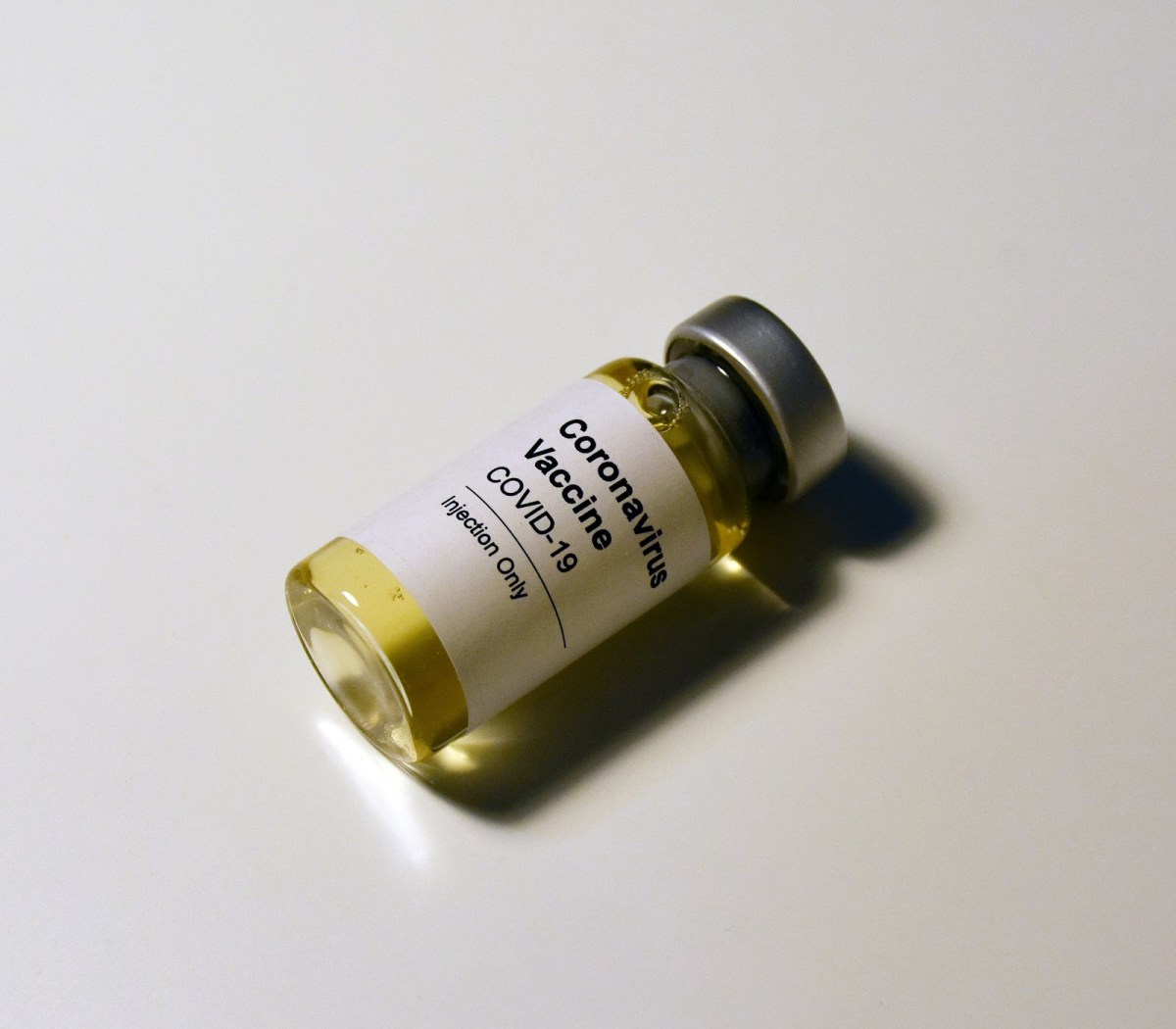
The number of times a day that you encounter the word ‘vaccine’ has probably gone up a lot in the last five months. There is a barrage of news articles, viral videos and unverifiable claims from our family Whatsapp groups coming our way each day. In this moment, understanding how vaccines work and getting rid of misconceptions has a huge impact on our personal lives but can be frustratingly difficult. What are the differences between all the Covid-19 vaccines out there? Why does the Pfizer vaccine have to be stored at -70 degrees Celsius? Is it true that Covaxin can give you Covid? What are vaccines, anyway? This article explains how the immune system actually works, how vaccines confer immunity and why the new mRNA vaccine technology is important. 

The Immune System is a Mad Genius

High school biology tells us of this supernatural-sounding, sophisticated defense mechanism residing in the body of each human being –– the immune system. Indeed, your immune system can fight against millions of pathogenic microorganisms that you constantly come in contact with. But how does it accomplish this feat? The immune system has two crucial abilities that protect you from diseases. First, it can recognize substances that are unwelcome in your body: pathogens such as bacteria and viruses. This is more complicated than it sounds, because our bodies are made up of cells that are similar in many respects to bacteria and viruses, and there are no well-defined rules that neatly separate healthy cells from pathogens. Second, the immune system can use biological pathways to destroy the recognized pathogens. The immune system can also recognize toxins such as dust particles –– the reason we sneeze and have a runny nose if it’s dusty or polluted. However, in this article we will focus on the interaction between the immune system and biological pathogens.

The first function of the immune system is like a text editor that recognizes incorrect grammar. We’ve all been caught red-handed while typing grammatically incorrect sentences in MS Word (quite literally –– MS Word informs us of this with a frustrating squiggly red underline). MS Word does this by using pre-defined grammar rules and checking whether sentences satisfy these rules. Now consider this. If the text editor in question operated like the immune system, it would literally construct every possible grammatically incorrect sentence, and then check each new sentence it encountered against this enormous library of incorrect sentences. Well, naturally, this  system is much less efficient than verifying a few grammar rules. But remember, there aren’t any analogous rules that the immune system can use to distinguish pathogens from healthy tissue. So, it does what it can…

Right now, floating around in your body, are approximately one trillion immune cells, each sporting a unique ‘antibody’ (for context, the human body has roughly 30 trillion cells). These antibodies are made of small bits of protein, combined in arbitrary ways (the way our inefficient text editor would make up wrong sentences by combining random words). Each of these antibodies ‘fits’ a particular molecule that your body might encounter on a pathogen. If that pathogen molecule happens to enter your body and encounter the corresponding antibody, the antibody will lock into place and trigger an immune system cascade that will either neutralize (i.e., make unable to function) or destroy the pathogen. If you’re paying attention, you would have guessed by now that everyone in the world is currently walking around with a Covid-19 antibody in their system. 

The natural question that follows is, why does anybody ever get sick? The answer is that it’s a numbers game. The likelihood that a single pathogen molecule will come into contact with its matching antibody in your body is very, very low. This likelihood gets higher as the pathogen replicates and produces copies of itself. Once the antibody-pathogen match occurs, your immune system starts producing many more of that particular antibody and starts destroying the pathogen copies. From there, it’s a race to see which group of cells (the pathogen or the antibody-containing immune cell) can replicate faster and conquer the other. 

Vaccines: Leveraging the Fantastic Memory of the Mad Genius

Once your immune system has recognized a pathogen and raised antibodies against it, it does something amazing –– it memorizes the pathogen by always keeping a bunch of the relevant antibodies handy. So the next time you encounter that pathogen, the likelihood of it matching up with its antibody is much higher, the process of triggering the destructive immune system cascade is much faster and you are much less likely to fall sick. This is where vaccines come in. Vaccines are modified pathogens that don’t cause disease but are still recognized by the immune system as a foreign object. When the vaccine is injected into the body, the immune system generates and maintains an army of the relevant antibody; when the real pathogen shows up, these antibodies fight for you and you are immune to the disease. The commonly held notion that vaccines ‘trick’ the immune system into raising antibodies is subtly incorrect. The immune system is functioning as intended when it produces antibodies against a vaccine, but it’s simply getting a leg up because the vaccine can’t actually cause the disease. 

How does one modify a virus to make a vaccine? The most commonly used and well-established technique is to inactivate it by heating it or exposing it to chemicals that denature the proteins that make up the virus (similar to what happens when you boil an egg). Covaxin, produced by Bharat Biotech, is an example of a whole-virion inactivated virus. Another common method is to take a different virus that is harmless to humans, and genetically modify it to produce a few proteins from the virus you want to vaccinate against. The harmless virus, when injected into the body, replicates and produces many copies of the proteins that were introduced into its genome. The immune system raises antibodies against these proteins that confer immunity against the harmful virus. Examples of such ‘viral vector’ vaccines are the Oxford-AstraZeneca Covid-19 vaccine and the Johnson & Johnson Covid-19 vaccine. The advantage of viral-vector vaccines over inactivated virus vaccines is that there is no chance of the vaccinated person contracting the disease due to incorrect inactivation of the virus. 

The Covid-19 pandemic has fueled advances in a new type of vaccine that does not require a virus at all. You may remember from high school biology that proteins are made from mRNA, which is made from DNA (the genetic code in your body’s cells). These non-viral vaccine delivery systems make use of DNA or mRNA fragments that encode proteins from the virus that you want to vaccinate against. The DNA or mRNA fragments are packaged in such a way that makes them appear non-foreign (basically, they are coated with the same oily molecules – lipids – that form the surface of our healthy cells). When the lipid-coated genetic material is injected into the body, it is taken up by immune cells which use it to produce the virus’ proteins. In this case, you actually are tricking the immune system into doing something it ordinarily isn’t supposed to. Once there are enough of the virus’ proteins floating around, the normal function of the immune system kicks in and it starts making antibodies against the virus. 

Both the Pfizer and Moderna vaccines are mRNA vaccines. Their advantages are that they are more amenable to quality control and can be designed and manufactured in a short time scale. However, mRNA is much more chemically unstable than protein or whole virus, and so it needs to be stored at much lower temperatures. Another disadvantage is that since these mRNA vaccines have not been around for long, there is no data on potential long-term side effects. 

There are currently 12 different Covid-19 vaccines that have been approved, with loads more in the pipeline. As we race to get enough people vaccinated in time to achieve herd immunity, it is vital that we all participate in the effort by getting vaccinated ourselves and encouraging our close friends and family to do the same. I hope this article will help you navigate the debates and discussions with more confidence. 

Amrita Singh has a B. Tech in Biological Sciences and Bio-Engineering. She is currently pursuing a PhD in neuroscience at Janelia Research Campus in Virginia, USA.

We publish all articles under a Creative Commons Attribution-Noderivatives license. This means any news organisation, blog, website, newspaper or newsletter can republish our pieces for free, provided they attribute the original source (OpenAxis).

Categories
Issue 7

Road to Recovery: A Conversation on Covaxin with Prof. Gautam Menon

What exactly do clinical trials for a new vaccine involve? 

The first step after a potential vaccine is developed is to try it out on animals to check that it is not toxic and that it leads to an immune response. If this step is successful, the next stage is to move to human trials, where these preliminary trials are called phase 1 trials.

In such trials, healthy volunteers (typically 20-50 in number) are injected with one of a range of possible doses of the vaccine, to determine the optimal and safe dose, starting from very small doses. Whether the vaccine elicits an immune response is also verified. In phase 2 trials, the immune response is examined further, and questions of side effects and safety are also explored in a larger group of volunteers, typically more than 100.

Finally, phase 3 trials involve administering the vaccine to a much larger group, often tens of thousands of people, selected to be representative of the population. These trials are called “randomized control trials”. In these trials, about half the participants enrolled are given a placebo, something that is harmless to the body, while the other half is given the vaccine. No one knows, not even the doctors administering it, whether the injection contains a placebo or the real thing.

In India, emergency use authorization has been granted to two vaccines: Covishield, made by the Serum Institute of India and Covaxin, made by Bharat Biotech.

Since Covaxin didn’t complete its phase 3 trials and publish them, what can we confidently say about its efficacy? 

At the moment we can say little since there simply is no data yet. In the much smaller phase-1 and phase-2 trials, the vaccine elicited a robust immune response, making antibodies against the virus. The vaccine was also shown to be safe in appropriate doses. It is based on an inactivated whole-virus vaccine platform which is well-understood. However, it is important to understand that efficacy—whether a vaccine works well at preventing you from getting the disease under ideal conditions—is not a simple and immediate consequence of immunogenicity, the ability of a vaccine to provoke an immune response. That is why we need phase 3 trials in the first place.

Is there a broader misunderstanding of immunogenicity and efficacy? What is the difference and why is it important? 

A vaccine should certainly provoke a response from the immune system. That’s central to how vaccines function. But whether it works in preventing people from getting the disease – protective immunity – is a harder question and there are a few things that could go wrong. One extreme case is that getting vaccinated might, paradoxically, increase your chances of severe disease, through what is called ADE or antibody-dependent enhancement. Another possibility is a vaccine-associated enhanced respiratory disease, in which antibodies induced by the vaccine bind with viruses and form immune complexes that clog the lungs. These are possibilities that a phase-3 trial should rule out.

How is Covaxin going to complete phase 3 trials?

What should happen, in principle, is the following: The scientists running the trial will wait till a certain number of people, a number pre-approved in the trial protocol, within the group that received an injection, are diagnosed with COVID-19. They then go back and check whether these people belonged to the group that was administered the placebo or the actual vaccine. If there are many more cases in the placebo group than the vaccine group than can be accounted for by chance, that suggests that the vaccine works in protecting against developing the actual disease.

The problem is that it may take some time to reach this stage of having a predetermined number infected with the disease. Since most people develop no or only mild symptoms of the disease, they may not notice they have been infected.

A second problem is that phase-3 trials are being done in a background where a good number of people have already been infected in the past, so are immune to the disease for at least some time, as far as we know. These people won’t develop the disease even if they encounter an infected person.  

Finally, currently in India, all this is happening in the background of a steadily decreasing number of new cases. This makes it harder to have new infections in the trial group.

Why aren’t people given a choice on which vaccine they would prefer? 

The government, which is, after all, making these vaccines available for free at this point, may have wanted to ensure that they did not appear to be favouring one over the other when granting emergency-use approval. Perhaps there is also an element of national pride in this, in that Covaxin is a fully indigenous vaccine while Covishield is the result of a collaboration with international groups, at Oxford University and the pharmaceutical giant AstraZeneca.

What, according to you, is the biggest health concern with not having any efficacy data on Covaxin? 

Whenever one is administering a vaccine to a healthy person, one would like to know that it has been worth it. Does the vaccine, for example, provide protection against the disease to more than 50% of the population it is administered to? A phase-3 trial, precisely because it is so large and planned as a randomised control trial, is a good way to ask this question as well as to look out for possible rare but serious side-effects of being vaccinated.

Would it have been a better move to rollout Covaxin after phase 3 clinical trial data was published? Why do you think it was encouraged over other alternatives? 

It would have been better to rollout Covaxin after the efficacy data became available, in my opinion. Data demonstrating good efficacy and safety, which could have taken another month or so to obtain, would have spoken for itself.

Of course, these decisions have to be made based on available information as well as projections for what might happen in the future, such as new variants that are more transmissible. There are certainly cases where granting emergency use authorisation might have been justified. This is why scientists as well as the lay public need to understand the basis on which these decisions were made.

The committee that approved Covaxin distribution may have had data that was shown to it that suggested that it was efficacious. We don’t know because neither the names of the committee members nor the minutes of their deliberations are available to us.

Transparency should always be a central consideration in such matters, especially since you will be vaccinating people who are healthy and you don’t want to compromise on safety.

Considering how the vaccination drive is going right now, do you think vaccine hesitancy is slowly eroding and that target numbers will be met? 

Yes, the numbers of those getting vaccinated each day are steadily increasing. That is a good sign. Unlike in the USA and some other developed countries, there is no strong anti-vaccination movement in this country and people are accustomed to large-scale immunization programs, such as the pulse polio campaign.

Do you think the vaccine rollout should’ve been critiqued more or less than it was by the Indian scientific community? What could have been different?

I think the sections of the scientific community that critiqued the Covaxin rollout did the right thing. Prof. Shahid Jameel of Ashoka University and Prof. Gagandeep Kang of the CMC Vellore, in particular, were sane voices in this, pointing out gently, but firmly, the need to stick to established procedure. One has to ensure that the public does not feel that they would be guinea pigs. Several fellows of the Indian Academy of Science also signed a document expressing their concern.

I was dismayed at the counter signature campaign, supporting the Covaxin rollout, from a group of 49 medical doctors and scientists. Their arguments made little sense to me.

Can anything be said about whether the current vaccine candidates can be effectively used for the new strains of the virus?

There is some encouraging news of the effectiveness of some of the international vaccines against the new strains, although perhaps not at the same level. Bharat Biotech has claimed very recently that its Covaxin was effective against the UK variant of the virus. Our understanding is rapidly evolving.

Do you think that the overall vaccine development process has changed in the course of the global effort in formulating a COVID-19 vaccine?

Absolutely. I thought, as many others did, that a period of 18 months to two years would be the minimum time required for a vaccine to be distributed. That we managed to do this in less than a year is a remarkable achievement. Without our ever-improving knowledge of both basic and applied science, this would simply have been impossible. Indeed, it would have been impossible even a decade ago.

I am, in many ways, proud of what India has achieved. The Serum Institute of India, located in Pune, is the world’s largest vaccine manufacturer. Bharat Biotech, the manufacturers of Covaxin, has a manufacturing plant that is the largest of its kind in the Asia-Pacific region. It is a respected company which exports therapeutics and vaccines across the world. India itself produces 60% of global vaccines. The Director-General of the WHO commented recently that “…the production capacity of India is one of the best assets the world has today”.

As an Indian, this does make me very happy.

Gautam Menon is Professor of Physics and Biology at Ashoka University as well as Professor of Theoretical Physics and Computational Biology at the Institute of Mathematical Sciences in Chennai. He works in biophysics as well as in, more recently, the modelling of  infectious disease.

We publish all articles under a Creative Commons Attribution-Noderivatives license. This means any news organisation, blog, website, newspaper or newsletter can republish our pieces for free, provided they attribute the original source (OpenAxis).

Categories
Issue 7

The Cost of the Cure: Understanding the Implications of India’s COVID-19 Inoculation Drive

Union Minister Amit Shah’s bold call for a duel to challenge vaccine skeptics came exactly a week after the Indian government’s inoculation program against COVID-19 was launched on 16th January 2021. The ambitious plan aims to vaccinate 300 million healthcare and frontline workers in its first phase using the vaccine derived from the Oxford-AstraZeneca candidate AZD-1222, dubbed Covishield in India, and Covaxin, produced by Hyderabad-based biotechnology company, Bharat Biotech and the Indian Council of Medical Research (ICMR).

Despite initial optimism, the program has witnessed low turnout rates, due to widespread misinformation and safety concerns. The root cause of doubt about the program stems from the announcement by the Drug Controller General of India (DCGI) on 3rd January 2021, when Covaxin and Covishield were given emergency use approvals. While the approval for Covishield was unsurprising, given its established efficacy in all three phases of trials abroad, it was the seemingly hasty rollout of Covaxin that caused a stir. 

Criticism of the vaccine primarily focused on the absence of Phase 3 clinical trial data, since the trials have not yet concluded. The initial backlash against the approval of Covaxin was met with officials responsible for India’s COVID-19 response claiming that it would be used as a “back up”, in case of the need for extra doses given the emergence of the new UK strain of the virus. Moreover, it was also made clear that Covaxin would only be administered in “clinical trial mode”, where its recipients would be asked for their consent and proper monitoring for side-effects would follow

However, this stance towards the vaccine changed a few days later, when it was announced that both vaccine candidates will be treated at par with one another.  According to Dr Samiran Panda, a scientist at the ICMR, the circulation of the vaccine essentially implied a single-arm clinical trial, where a placebo wouldn’t be used and results wouldn’t be published under a peer-reviewed journal. Moreover, vaccine recipients would not have the option to choose between Covaxin and Covishield. It was this sudden change of positions that raised concerns. 

Consent, Choice and the State

The question about individual choice and consent is critical to the discourse around the inoculation mission. The lack of choice between vaccine candidates has affected turnout rates with only around 56% of eligible individuals getting vaccinated due to concerns among healthcare and frontline workers about the controversy surrounding its fast-paced rollout.

Ethical concerns regarding consent plague the program – should recipients, who aren’t willing participants of a research study, not be allowed to choose between two vaccines that differ in terms of proven efficacy and safety? Given the major difference between the vaccine candidates, how can consent retain its true value when it directly robs an individual of their agency to make personal medical decisions? Most crucially, should the state have the authority to directly or indirectly force the hand of citizens in making informed medical choices?

The decision of the rollout of Covaxin under current conditions seems even more dubious at a time when essential workers are invaluable and at the highest risk of contracting the virus. 

Shifting Positions and Unwelcome Surprises

The behaviour of the Indian state and its important bodies in relation to its treatment of Covaxin is also perplexing. The very approval of a vaccine that hasn’t yet completed Phase 3 clinical trials raises alarm. The third phase of trials is critical since it provides for the closest possible model of how a vaccine candidate will behave when administered to a large population.

The vaccine’s intended use has also been disputed. The DCGI had claimed that it would be administered in an open-label clinical trial to ascertain its efficacy against the UK strain of the virus. In direct contradiction, Bharat Biotech managing director Krishna Ella has stated that there was no “confirmatory data” indicating that Covaxin works against it, and has suggested that this form of vaccine circulation was sprung upon him by the government.

The sheer disconnect between the understanding of India’s major regulatory body and the vaccine manufacturer not only is a matter of concern but also sets a worrisome precedent. Moreover, the suggestion that Bharat Biotech was unaware of the government’s expectation of the vaccine’s use can also lead to long-lasting implications for public trust in regulatory bodies and affect state standards for treatment approvals in the future. 

 Vaccine Diplomacy and Anti-Nationals
The past year has been marked by governmental positions that encourage the idea of India as a major player in the global response against COVID-19. The consequence of the same is the attachment of national pride to India’s vaccine response.  Hence, in the face of concerns about the vaccine, critics of the vaccination program have been liberally deemed ‘anti-national’, an all-too-familiar narrative that conveniently sensationalizes every aspect of the matter except its core problems.
Given that Covishield is relatively cheaper than Covaxin, it is important to question the government’s decision to purchase and circulate a vaccine that is yet to produce Phase 3 trial data. Moreover, India has only exported doses of Covishield so far despite having purchased 3.85 million doses of Covaxin, which is peculiar given the government’s otherwise confident domestic narrative around the vaccine. These facts paint a murky picture – one where India seems to be balancing domestic needs and international ambitions, with the former placed in relatively more uncertain territory than the latter.It is necessary to establish that the crux of the concerns surrounding Covaxin pertains to the confusion around its intended usage, authorization prior to completing Phase 3 trials, and the issues of recipient consent and choice. A pandemic is the worst possible time to sow skepticism around medicine. At the same time however, it is important to recognize that the consequences of any missteps in approval or administration of treatments can trigger mass disillusionment from life-saving scientific treatments for years to come. Given as things stand in India, one can only wait and observe what unfolds.

Aarohi Sharma is a Psychology student at Ashoka University. Her academic interests primarily focus on the intersection of politics and psychology in society.

We publish all articles under a Creative Commons Attribution-Noderivatives license. This means any news organisation, blog, website, newspaper or newsletter can republish our pieces for free, provided they attribute the original source (OpenAxis).

Categories
Issue 5

A case for caution: India’s path to economic recovery

India, as with most of the world has been impacted severely by the coronavirus pandemic and the subsequent lockdown imposed by the government. While we are in the process of reopening the economy, many of us hope for a quick return to normalcy. However, According to the production and inflation data, normalcy might be a far cry for the Indian economy. 

The headline figure of a decline of 23.9% in the GDP for the first quarter of financial year 2020-21 released in July showed the depth of the shock to the economy. Index of Industrial Production (IIP) shows a sharp decline in manufacturing across all sectors. Labour intensive sectors such as textiles (-37.3%), leather (-32.7%) and primary products such as basic metals (-21.6%) have been hit hard by the lockdown(Source- IIP Data and author’s calculations). As more workers get laid off, consumption declines which leads to low demand for manufactured goods, which leads to even more workers getting laid off thus creating a vicious cycle. Many pundits point to the increase in expenditure around the festive season and gradually increasing industrial production as signalling economic recovery. However, as the adage  goes,  one swallow doesn’t make summer, India’s economic recovery may not come easily. It faces more challenges than just production numbers as other core sectors dip significantly. 

Source – IIP Data and author’s calculations

India’s economy is heavily dependent on the services and agricultural sector. The agricultural sector employs more than 50% of the entire workforce while services contributes to 50% of India’s GDP. The services sector has seen a decline of 20.6% in Q1 of FY21 in gross value added (GVA) while the trade, hotels, communication and transport sub sector is facing a decline of 47.0%. 

The only sector that has shown growth is agriculture with an increase of 3.3%. This is expected as the government has imposed the least restrictions on this sector.  A copious monsoon has also led to a good harvest. However since the pandemic has now spread to rural areas it could cause a reduction in the agricultural sector. 

According to SBI research, manufacturing has seen a decline of 38% in gross value added. Net taxes (the difference between GDP and GVA) has declined to 1.36 lakh crore, the lowest in 7 years. The decrease in tax payments also limits the government’s willingness to spend as it increases the fiscal deficit.

The problem facing the Indian economy is threefold- demand has dipped significantly, inflation is rising and the supply chain has been disrupted. In the past year where the economy has seen a slowdown due to disruptions in the credit market, private consumption has been a significant pillar which has stood strong. In 2019, it contributed to about 57% of the total GDP. With private and public investment unlikely to increase due to underutilized capacity, private consumption will be a significant contributor to GDP this year as well. According to an SBI report the private consumption is set to decline by 14% due to the decrease in spending during the pandemic. The expenditure side of the GDP also shows a decline of 22% in demand impulses. Until the government intervenes directly to stimulate demand, we are unlikely to see a quick recovery. 

India is also facing a problem of stagflation (high inflation, low growth, high unemployment) as we take a look at the latest inflation numbers released by the RBI. CPI has gone up by 11.07%, 10.68%, 9.05% in the past three months. In India, inflation is measured using two indices. The Consumer Price Index (CPI), which measures the prices the retail customer gets, and the  Wholesale Price Index (WPI) which measures the wholesale price of goods and services. 

 The WPI came into positive territory only in August. Over the past three months, it has been 0.41%, 1.32% and 1.48%. The numbers show a clear divergence between consumer prices and wholesale prices. While one might point out this divergence may be due to hoarding/overcharging by wholesalers, this is unlikely to be the case. What these numbers point to is a supply chain disruption, wholesalers are unable to supply goods consistently to retailers leading to short term supply drops and increasing prices. This is due to the uncoordinated unlocking between states. As states continue to unlock/impose restrictions on their economies with respect to the number of cases, this trend of disruption seems to continue until next year. 


Source – IIP Data and author’s calculations

Policy Proposals

The Indian establishment faces a unique challenge as the biggest shock of its existence comes to fruition. The RBI has already lowered the repo rates (the rates at which RBI lends money to commercial banks) by 125 basis points this year. By decreasing the repo rates, RBI has made it easier for banks to obtain more money which can be used for loans to the populace.  The finance ministry has announced a slew of measures focusing on emergency credit lines, loan restructuring and providing support to distressed sectors such as housing under the brand name Atmanirbhar Bharat. However, as we see private consumption and investment collapsing, now is the time for even more radical measures to support the rural and urban lower class. 

One way the government can find immediate impact is to increase the outlay towards the National Rural Employment Guarantee Scheme (NREGS). NREGS guarantees 100 days of unskilled work to all households for a fixed wage rate. This can be increased to 150 days to support many migrant workers who have been laid off. The wage rate can also be increased to provide further support to households. Another way of directly stimulating demand is to implement something like stimulus payments like the USA. This would directly put money in the hands of the people helping shore up demand quickly. In the longer term, a Universal Basic Income (UBI) could help mitigate these shocks. While we expect economic recovery to be quick in the coming months looking at festive demand spending and increase in industrial production. The data shows us that the path to recovery requires a lot more proactive measures from the government.  

Rochak Jain is a fourth year student of economics at Ashoka University.

Image Credit: pexels.com

We publish all articles under a Creative Commons Attribution-Noderivatives license. This means any news organisation, blog, website, newspaper or newsletter can republish our pieces for free, provided they attribute the original source (OpenAxis).

Categories
Issue 4

The COVID-19 Vaccine: Will It Flatter To Deceive?

Since the ending of 2019, the shroud of ‘SARS CoV-2’ virus has engulfed the world. The pandemic has taken a toll of more than 1.2 million lives worldwide and a renewed tsunami of a second wave of infection looms large in the horizon. Such catastrophic infection rates along with loss of human lives has also seen massive economic downturns and widespread unemployment. The Center for Monitoring Indian Economy (CMIE), has reported a 27% rise in unemployment rate and a 38% loss in market capital by the end of May and August 2020 respectively. 

Under these challenging circumstances, scientists across the globe are racing against time to design an effective anti-SARS CoV-2 silver bullet in the form of vaccines or drugs. An efficacious protective vaccine appears to be the most promising means to contain the spread of SARS CoV-2 since the virus has shown few signs of mutating from the highly contagious to a weaker avirulent form. This is in sharp contrast to what was witnessed in case of the influenza pandemic of 1917-19. It has been estimated that the availability of a vaccine will prevent the loss of nearly 375 billion US dollars per month from the global economy and also prevent the loss of millions of lives.

Scientists and biotechnologists are burning the midnight oil to put together an ideal vaccine against SARS CoV-2. But what is this ideal vaccine? It is one that is safe, devoid of side effects and at the same time induces a robust and protective immunity in the body to counter future attacks from the virus. In field trials, the average protection rate should be greater than 80%. Furthermore, the protection should be long term. It should be cheap and preferably a single-dose vaccine. Transportation of the vaccine should be easy and companies should be able to mass-produce it in a short time. Unfortunately, not all existing vaccines fulfil all of the abovementioned criteria. 

Since the first vaccine was invented by Dr Edward Jenner in 1796, the field has progressed exponentially through the incorporation of an array of methods, namely- attenuated live agent, killed virulent agent, DNA vaccines and  mRNA vaccines to name a few. In the elusive search for the SARS CoV-2 vaccine, all possible avenues are being explored. About 300 such attempts are being witnessed in different laboratories.

While there are multiple avenues being explored to combat the CoVID19 pandemic, the question looming large in all of our minds is when will the vaccine be available in the market? Obviously, the candidate vaccines undergoing phase-III trial with most promising and favorable responses, will be marketed first. Phase-III trial is a multicentric one involving a large cohort, who are to be followed for a reasonably long time to assess the protection rate and duration of protection. It needs 3-6 months for the trial in cases of coronavirus infections. Until then our wait continues. Moreover, even if a protective vaccine is available, it may take- years to produce large quantities of doses for the world population. Therefore, it will require a well-planned immunization program.

               One might ask, what will be the protection rate, how long will the protection persist and does the vaccinated population need to wear masks, maintain social distancing or carry out the required sanitation measures.

 Regarding protection, none of the existing vaccines (for CoVID or any other diseases) imparts 100% protection. If a vaccine shows effective protection in 80% of the vaccinated population, it is considered acceptable. In case of the SARS-CoV2 pandemic situation, even 30-70% (an average of 50%) protection rate by multicentric trial on cohorts, would be acceptable. This is because if 50% population is protected through vaccination and another 20-30% have already developed herd immunity, the magnitude of active cases and active spreaders will come down to controllable limits. However, one apprehension still persists, that critical changes in viral antigen due to mutation might outsmart the immunity which has already developed. This phenomenon is observed in case of Influenza virus time and again. The issue can be tackled by careful surveillance of the viral genome and constantly incorporating new vaccine candidates as and when required.   

As far as duration of protection is concerned, the time is not right for any comments. Even if a candidate vaccine produces short term immunity of 3-6 months, it is acceptable under the current scenario considering the ever-burgeoning infection rates. Even short term immunity will significantly reduce the impact of the ongoing pandemic.

Finally, we will conclude by discussing the post vaccination situation.  A variable period in the aftermath of vaccination is expected to be no better than the present situation. Partial lockdown, wearing of masks, adherence to sanitation and social distancing will be continued. This is because of the fact that the vaccine might not give 100% protection. Production of adequate doses of vaccine to cover all the population will take a long time, possibly extending into months or years. To make matters worse the virus might mutate, thwarting the mass vaccination effort.

Thus, there are many variables to conquer the raging SARS-CoV2 pandemic. Our last hope might be the mutation of the virus in such a way, that it loses its infectivity and virulence, similar to what happened in the Influenza (spanish flu) pandemic of 1917-19. Until then, let us make masks a fashion statement, observe hand sanitation and maintain social distancing.

Dr. Kasturi Pal is an Assistant Professor and DBT-Ramalingaswamy fellow in the Department of Biology at Ashoka University, where she teaches courses in Physiology, Advanced Biochemistry, Developmental Biology and Advanced Cell Biology

Some candidate vaccines appear to be promising. Following is a short list of the potential candidate vaccines:

  • Category A :
PlatformDeveloperCurrent status
1.Non-Replicating Adenovirus Expressing Truncated ‘S’protein(rADV-S)International Vaccine InstitutePre-clinical
2.Replicating recombinant measles virus spike proteinUniv’ Health Network, Canada;Center for Disease Control and PreventionPre-clinical
3.Replicating MV-SARS recombinant vaccine expressing ‘SARS-CoV’ AgInstitute Pasteur Phase-III trial
4.Subunit vaccine- using receptor binding domain (RBD) of SARS-CoV spike ‘S’ proteinBaylor College Medicine(Sabin)NY blood center(NYBC)Pre-clinical
5.Subunit Vaccine using SARS recombinant spike protein plus delta-inulin.V19Vaccine Pty Ltd, AustraliaPhase-I
6.Virus like particle expressing ‘S’ protein of SARS and influenza M1 proteinNovavaxPhase-III
7.Inactivated rSARS CoV-E virus.CNB CSIC, Univ of IowaPre-clinical
8.Covishield-Oxford (Replication deficient simian virus- S11-Ch AdOx1 nCoV 19)SanofiA Licensed Product
9.Whole Virus containing surface structural glycoprotein Ag of SARS CoV2.Oxford University/Astra ZenecaPhase-II
  • Category- B  (DNA Vaccines)
PlatformDeveloperCurrent status
1.DNA prime protein S437-459 and M1-20Institute of Immunology, Sanghai Medical College of Fudan, ChinaNo Information
2.SARS ‘s’ DNA primed and HLA-A restricted peptidesSan Yat Sen Univ’, China        -Do-
3.3a DNA Vaccine State key Laboratory of Virology, China        -Do-
4.VRC- SRS DNA 015-00VPNIAID, USAPhase-I
5.DNA ‘s’Protein + IL-2State Key Laboratory, ChinaNo Information
6.p-IRES-ISS-S1Jilin Univ’, Academy of Military Medicine          -Do-
7.M and N DNA vaccineInstitute in Japan, Taiwan and Hong KongPre-clinical
  • Category-C (mRNA based vaccine)
PlatformDeveloperCurrent status
1.Antigen protein specific mRNA encapsulated in lipid Nanoparticle(LNP) inserted into a cell, which acts as a factoryfor translation into exact 3D specific Ags of the virus, here SARS-CoV 2.Moderna TX IncPhase III

Indian Vaccines:   

PlatformDeveloperCurrent Status
1.CoVaxin (Inactivated virus)Bharat Biotech (Hyderabad)and ICMRPhase II trial
2.ZyCov-D (plasmid DNA vaccine)Zydus Cadila LtdPhase II trial
Categories
Issue 2

Give Me Liberty, COVID, or Cow Urine

Before 2020 the idea of the world coming together against a large-scale disaster was placed in the distant future, possibly once climate change had an apocalyptic effect. Natural disasters were far more localised, with only parts of the world being affected at any given point in time. The rest of the world stayed unaffected and in a position to provide support to affected areas. COVID-19 changed that. Suddenly, entire countries, and to some extent, the entire world had to come together to successfully control the disease. And we as a society proved our inability to do so. People around the globe continue to deny the dangers and at times even the existence of this virus which has already claimed more than 1 million lives.

Handling a disease at policy and personal levels requires a certain scientific temperament. One needs to accept advice from expert sources and follow safety measures. The basic prerequisite to this is believing in scientific evidence. In the current scenario, one can observe a lack of this temperament with too many Americans openly defying safety measures and even denying the existence of the virus. How do we understand Americans denying the virus even as their country has registered the highest number of COVID deaths in the world?

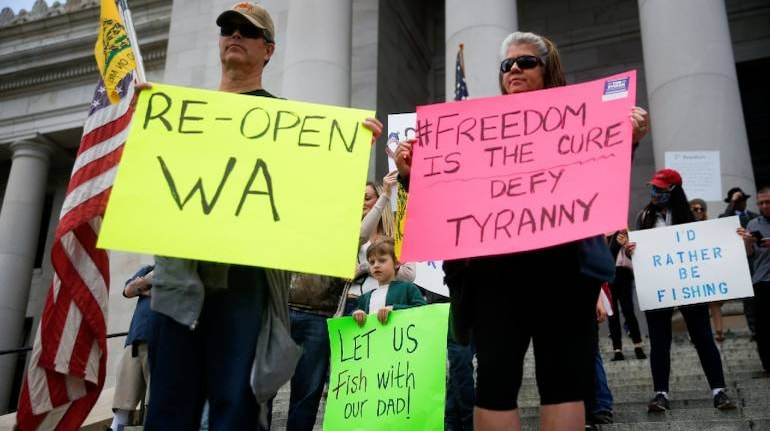
April 2020 saw widespread anti-lockdown protests across America. In Michigan, one of the hardest-hit states, protesters called their Governor a tyrant and compared her to Hitler.  Almost all the protests called for freedom, with slogans like “Give me Liberty or Give Me COVID-19” and “Freedom over fear”. Protestors ranged from those simply wanting to reopen businesses to COVID-deniers and anti-maskers. The general sentiment amongst the protestors was that stay-at-home orders and the closure of businesses were un-American because they did not respect individual choice and liberty and that the economy could not be threatened for public safety.

A common thread among these protestors was their political orientation — they were overwhelmingly conservative. Almost all the protests had Pro-Trump and MAGA posters, guns and confederate signs, and even anti-abortion signs. President Donald Trump praised these protestors, as people who “love our country”. 

Political Psychology may hold the answer to why these people underplaying the crisis were largely conservative. Decades of research on personality types has led to an understanding of conservatives as people who are fearful of change, of unfamiliar people and places. They try to maintain a sense of familiarity and comfort by following rules But by this logic conservatives should be more inclined to following government guidelines for COVID control.

Needless to say, there is a lot more nuance to the connection between our scientific temperament and political ideologies. A 2013 poll found that while liberals believed in the primacy of science during the policymaking process, conservatives were more moderate in their approach towards science. Additionally, there is a divide in the kinds of scientists either sides prefer and by extension the issues on which they will regard scientific advice as important and necessary. Liberals trust scientists involved in areas of regulation, like public health and environmental science while conservatives prefer those involved in economic production — food scientists and petroleum geologists for example. 

These nuances can help us better understand the reaction of conservatives towards COVID-19. ABC News has quoted a Michigan conservative leader as saying “bankrupting the state is not going to cure this virus.” Another protestor is quoted saying “…I don’t think that we need the Constitution suspended in order to be safe.” As we can infer from the studies, conservatives are inclined towards economic interests and are not very trusting of public health experts. They are thus more concerned with protecting their businesses, even when they acknowledge the threat posed by the virus. They are also inclined towards protecting the law and thus extremely protective of their constitutional rights, which they feel are being threatened by impositions of lockdown. It isn’t a case of dismissing science as much as it is a case of misplaced priorities.

The most important factor influencing conservatives is political propaganda. Conservative news outlets, politicians and most importantly President Donald Trump have been consistently underplaying or outrightly denying the virus, touting it as a Chinese or Democrat conspiracy to undermine Trump’s rule by crushing the economy. The virus has become a political issue rather than a scientific one. Human beings have a tendency to think emotionally more than logically. It has also been found that one can be persuaded of anything if the correct language is used, and if exposure to any kind of information is high. When one is exposed to such propaganda, one has an emotional instead of rational response to it and will be prone to believing it if it fits with one’s values. Since conservatives are being told that the virus is a conspiracy to undermine their leader, they believe this over their already weak scientific beliefs. Political propaganda and a desire to fit in has ultimately won over scientific temperament in conservatives.

It is interesting to examine India’s scientific temperament in its reaction to COVID. While American conservatives undermined the virus to align with and protect their political leaders and beliefs, Indians acted in a very different manner for similar ends. In recent times, India has become increasingly conservative with a rise in Hindu-nationalism. These ideas follow from the nationalist ideologies of the ruling political party, the BJP. PM Narendra Modi of the BJP has enjoyed immense popularity in recent years and has gained the support of a majority of conservative and right-wing groups in the country. 

Unlike Trump, Modi insisted on the dangers of the virus and the necessity for a nationwide lockdown. In his speech announcing the ‘Jantacurfew’ in India in March, he asserted, “one step outside can make way for coronavirus into your house” and “Experts are saying that ‘social distancing’ is the only way to tackle coronavirus”. His response created a sense of fear about the virus. His supporters followed his advice, but this had more to do with their trust in him than with their scientific temperament. 

This was apparent in the paranoia that followed. While Modi simply insisted on the importance of following safety guidelines, paranoia around the virus was at its peak despite the number of cases being at a few thousand. There were reports of people denying cremations to COVID patients and ostracising the ones that lived. Doctors and nurses were forcibly evicted by landlords. These behaviours continued even after the government issued notices asking the public to fight the disease and not the diseased. Unlike American conservatives whose fear was expressed through denying the virus, Indians reacted with heightened fear responses.

In addition to paranoia, scientific temperament was challenged by the government promoting traditional medicine. There were countless WhatsApp forwards about alternative medicines claiming approval from the WHO. These ranged from “Kadhas” (broths) of turmeric, honey, black pepper, cloves and every popular ingredient used by Indians to treat common colds. There were claims of methylxanthines, found in tea, declared as a cure by the Chinese doctor responsible for raising alarm about COVID early on in Wuhan. Using the WHO and names of chemicals helped legitimise these myths. Union AYUSH Minister Shripad Naik stated that COVID-19 can be treated by Ayurveda and that 60-70 percent of COVID cases in India were cured by Ayurveda, Unani and Siddha prescribed home remedies. He claimed that Ayurveda would boost one’s immunity and prevent the virus from attacking. A peculiar solution was found in cow urine, which was said to strengthen lymphocytes in the blood and be rich in antioxidants. The cow is considered holy in Hinduism and is being used as a violently nationalist symbol by the Indian right, with a leader claiming touching one helped cure her cancer. COVID gave these groups another opportunity to promote the cow. Thus followed cow urine-drinking parties organised by senior leaders of the Hindu Mahasabha. The consumption of cow urine surged to 6000 litres per day in the state of Gujarat.

Like the cow, Ayurveda and Indian home remedies have also been used as a political tool to claim the supremacy of Indian, specifically Hindu culture and tradition. The BJP and the Indian right have been trying to invoke pride in an ancient Indian history that is rooted in Hinduism, before the “invasion” by Mughals and the British, to increase nationalistic pride.

In the USA, scientific temperament was challenged by a preference for economic stability by conservatives, and by Republicans to protect the reputation of their leader Donald Trump as a saviour of the American economy. The Indian right used traditional medicine as a tool to battle coronavirus and further nationalistic sentiments. Whatever the end goal, the casualty was the same — the death of scientific temperament.

Isha is a student of Psychology, English and Media Studies at Ashoka University.

We publish all articles under a Creative Commons Attribution-Noderivatives license. This means any news organisation, blog, website, newspaper or newsletter can republish our pieces for free, provided they attribute the original source (OpenAxis). 
Categories
Uncategorized

How COVID-19 is adding to the existing NPA crisis in India

As described by the Reserve Bank of India (RBI), “An asset, including a leased asset, becomes non-performing when it ceases to generate income for the bank.” When banks give out loans to borrowers, these loans are treated as assets. In some instances, when borrowers stop providing interest and other payments for a period of time, banks treat these as NPAs. 

Increasing NPAs burden the financial system and deteriorate the health of banks. As banks stop getting returns from these assets, their profitability is affected. Along with the negative effects on profitability, the loss rate of banks also increases. As the funds of the bank decrease, the future lending capacity of banks is heavily affected. These different events leave banks vulnerable to various unexpected events, namely economic shocks.

Now that the COVID-19 shock is in place, “The level of the NPAs is going to be unprecedented in six months from now if we really recognise the true level of NPAs. We are in trouble and sooner we recognise it, better it is because we really need to deal with the problem,” said Raghuram Rajan at the India Policy Forum in  July earlier this year.

Take a look at the table below that indicates the Gross NPAs of banks from 2016-2019.

Source: Department of supervision, RBI

From the data, we can see that banks had made an overall recovery in 2019 with lower Gross NPAs compared to the previous year. This progression made by banks is now being undone by the pandemic. 

Additionally, the data shows that there is a stark difference between the Gross NPA levels of public and private sector banks. 

Public sector banks (PSBs) have relatively lower capital adequacy compared to private sector banks. PSBs are not efficient at managing their NPA ratios, even the technology used by these banks is not as leveraged compared to private sector banks. Another contributing factor to relatively high levels of Gross NPAs in the PBSs is the vulnerability of these banks to promote certain economic sectors of society due to political pressure

The stabilization of PSBs and restructuring of their financial affairs is essential for the PSBs to absorb the shocks caused by the COVID-19 pandemic.

During times of an economic crisis, testing the resilience of financial institutions becomes imperative for the government to get a ground reality of the situation. Doing this helps the government understand how volatile the market is. Once the assessment is made, governments can then apply relevant reforms to stabilize the financial system. 

To assess the current health of banks in India, stress tests were taken by banks under certain guidelines of the RBI. Though it was known that the results of the tests would be disappointing, they are far worse than expected. Reports show that the Gross NPA ratio of the banking sector is likely to increase from 8.5% in March 2020 to 12.5% by March 2021, or even up to 14.7%, if adequate measures are not taken. While the GNPA ratio of the PSBs is expected to increase from 11.3% in March 2020 to 15.2% by March 2021, the private sector banks are expected to increase from 4.2% in March 2020 to 7.3% by next year. 

We should be extremely worried about high NPA levels as it starts a chain of deteriorating financial events. High NPAs lead to low profitability of banks. The lending capacity of banks as well as their income decreases. Additionally, since the banks are unable to increase their lending, money flow is reduced. To add to this, the confidence that the public has on the banking system is heavily impacted and shareholders start contracting their investments. Thus, the issue of rising NPAs is not just an issue that banks individually face but is an issue that impacts the financial system of the country and in turn the economy.


In an attempt to curb the financial distress caused by the pandemic, the RBI attempted to bless financial borrowers by extending the moratorium on all term loans by six months. Though the moratorium ended on August 31, the government recently announced an extension that allows for a two-year loan moratorium in the case that a borrower’s cash flow has directly been affected by the pandemic. An interest rate cut has also been issued to boost the economy. 

While there is an appraisal that the new monetary policy is accommodative to the plight of the borrowers, it is unlikely that this policy is going to ease the financial burden faced by the banks. The balance sheets of banks may improve, they may gain temporary relief from the pressure caused by NPAs and even increase market liquidity by increasing the amount of money that banks may have in hand, either to invest or to spend. The fact remains that the lending capacity of banks will not improve as the amount of money flowing will remain restricted. People’s spending capacity is not going to improve for a while and even with loan extensions, it remains uncertain whether the NPAs would get converted to profitable assets in the future financial years. 

Before India was struck with the COVID-19 pandemic, the banking sector already faced issues with poor health. Bad loan judgements, ineffective asset management strategies and over-relaxed lending norms have previously contributed to high NPAs of banks. For an emerging economy like India, the road to recovery is going to be a difficult process indeed. While it is imperative for banks to internally re-structure lending processes, the RBI and the government also play an important role in the strengthening of bank systems. 

Shrishti is a Politics, Philosophy and Economics major at Ashoka University. In her free time, you’ll find her cooking, dancing or photographing.

We publish all articles under a Creative Commons Attribution-Noderivatives license. This means any news organisation, blog, website, newspaper or newsletter can republish our pieces for free, provided they attribute the original source (OpenAxis). 
Categories
Uncategorized

COVID or Not, The Campaign Must Go On

By Neelanjan Sircar

The upcoming polls, in Assam, Bihar, Kerala, Tamil Nadu, West Bengal, pose unprecedented challenges in election management. Even in the best of times, regulating the behaviour of political actors during elections is nearly impossible. Anecdotally, candidates regularly spend over the farcically low spending limits for candidates (although the official data show otherwise) and all manner of distribution of alcohol and cash occur in the days leading up to the polls. But this year has brought forth even more challenges. In the aftermath of the COVID-19 pandemic, parties will be heavily restricted in hosting rallies or other large public events that are so crucial to a standard political campaign.

But the campaign must go on. I imagine that two campaign activities will be used as substitutes for the traditional campaign. First, in the absence of large public gatherings convened by high profile politicians, parties will have to rely much more on “within village” activities like door-to-door canvassing. Second, outreach to voters — especially from the party elite — will be far more dependent upon social media and other digital media. 

This will likely generate advantages for the Bharatiya Janata Party (BJP), by far the most well-funded party that has invested the most in its social media campaign strategies. For instance, data from the fiscal year 2017-2018 provided from Association for Democratic Reforms (ADR) shows that the BJP received 210 crores out of the total of 222 crores from the controversial “electoral bond scheme” ushered in by the BJP, a staggering 95% of all electoral financing through the electoral bond method. This infusion of money has been crucial to maintaining electoral machinery that swells to impressive proportions during election time. For instance, in the 2019 national election, the BJP fielded an army of panna pramukhs (literally page chiefs), who were assigned to keep track of 30-60 voters each. While panna pramukhs were not fielded everywhere, the very fact that they can be fielded over a large swathe of the country indicates both the scale of funding available to the BJP and its commitment to building dense ground-level machinery during election time.

The existing investment in ground-level campaigning will be a huge asset for the BJP. In a time when movement is restricted due to the COVID pandemic, the ability of ground-level workers to mobilize and bring people to the polls is likely to have a greater impact. Furthermore, these same restrictions will make bureaucratic monitoring of elections and campaign behaviour more difficult, perhaps emboldening ground-level actors to use quasi-legal means to mobilize voters.

The BJP also has consistently demonstrated its proficiency in reaching voters through social media. The BJP of Narendra Modi and Amit Shah may not have been unique in their political appeals with respect to religion and caste, but it has been an innovator in campaign methods. Outside of the Congress, the (regional) parties that grew out of the 1990s built their campaigns in a particular manner that was labour-intensive and dependent upon the control of ground-level leaders that often had caste credentials. The BJP realized that if it had to spread beyond its traditional bases of support, it would have to develop a method of directly reaching the voter in places where it did not carry favours with local elites. The development of a strong social media campaign has created a direct channel between the central leadership, and Prime Minister Modi in particular, with the voter. This was a strategy that was effective, for instance, in the 2019 national elections in West Bengal.

Google search data provides a suggestive data point for BJP’s dominance in social media campaigning. While it is true that users of Google are likely to be younger, wealthier, and more educated than the general population, the recent spread of cheap smartphones in the countryside has significantly broadened access to the platform across India. In Google searches about politicians over the 2019 election period, an extraordinary 75% of searches were about Narendra Modi, compared to just 12% about Rahul Gandhi. Of course, this is only the tip of the iceberg. The BJP purportedly has extraordinary advantages in most social media and peer-to-peer campaigning through platforms like Whatsapp. 

Here too, the challenges of monitoring and auditing party behaviour are likely to be significant. During the elections, the Election Commission of India (ECI) has significant policing powers, regulating the content of campaigns and policy promises. As communication with the voter decidedly shifts towards social and digital media, where the content is less visible to third parties, the ECI is compromised in being able to regulate campaigns.

The 2019 national election exposed concerns about the impartiality of the ECI. A number of observers felt that, in the process of regulating content, the ECI showed biases towards the ruling BJP. This was in stark contrast to the narrative of the ECI that had started in the 1990s under TN Seshan and continued by subsequent heads of the ECI — which was seen as aggressively maintaining a level playing field for candidates and parties. The consequence of a level playing field was the democratization of the electoral space with new parties and new kinds of electoral appeals entering the system. 

The real threat to democratic norms today is not a momentary shift in campaign tactics due to the COVID pandemic. Rather, it is the fear that new forms of campaigning that are effective in skirting regulatory norms will get locked in, particularly when the ECI has shown little interest in innovating to meet these challenges. For all of its pathologies, the Indian electoral system showed that simply allowing parties to compete on equal footing generating high turnover in ruling parties at both the state and national levels.

Today, as the very basis of equal political competition is being challenged, we must wonder if brute force and money are all that is required to win elections.

Neelanjan Sircar is a Senior Visiting Fellow at the Centre for Policy Research and Assistant Professor at Ashoka University. His research interests include Indian political economy and comparative political behavior .

We publish all articles under a Creative Commons Attribution-Noderivatives license. This means any news organisation, blog, website, newspaper or newsletter can republish our pieces for free, provided they attribute the original source (OpenAxis). 

Categories
Uncategorized

The Most Powerful Response to Any Situation: Love

By Raja Rosenhagen

The topic of love seemed like an obvious choice. I just taught two classes on it over the summer—one for graduate level students,one as part of the summer semester offerings for our undergraduates. It was deeply rewarding to be with these students, to reflect with them on what love and friendship are (or should be), on how various kinds of love relate to our reasons, and on how the quality of our attention profoundly shapes our everyday ways of interacting with others. Many students took these reflections as invitations to self-examine, to apply the conceptual tools they had acquired throughout the course to their lives and ask: How doI relate to others? Can I live up to the various ideals we had tried to articulate? In what ways am I falling short, and why? Some students wrote to me afterwards and said that for them, the class had served as a safe space in which to reflect upon things that matter, on issues, moreover, that do come to the fore even more forcefully than otherwise now, i.e. in a time in which humans across the globe are going through a pandemic and are thus either confined to being with their loved ones a lot more than usual or are separated from or even at the risk of losing them. 

Not every philosophy class is or must be an exercise of earnest self-examination. However, a class that stimulates one to reflect upon how to live well can be a source of personal growth, and serve to sow, one hopes, the seeds for a better society. That we need one is obvious to everyone who looks—and opportunities abound—at the suffering of the diseased, the poor, the marginalized, and all those who have nobody to lobby for them. Many of us prefer to look away or focus on issues we can manage, things we feel we can cope with. This can be healthy. After all, our capacity to look at the various kinds of suffering that our ways of life create or help sustain is limited. There may only be so much we can take, of the sadness, the anger, and the despair that looking outward empathetically must reveal, and of the emotional exhaustion that ensues. 

But we must look somewhere. And even if we can’t, given the pandemic, go out, travel, and explore it, the world doesn’t halt at our doorstep. Numerous media outlets and social media platforms provide a permanent influx of news and entertainment that vie for our attention, approval, or emotional responses. Of course, the virtual world allows us to be selective. We can choose where we look and can easily look away if things get under our skins. But the satisfaction virtual escapism provides is short-lived. After hours of watching Netflix or chasing down various debates on Twitter, Facebook, or Instagram, most of us are left exhausted, left with a stale aftertaste, the feeling that real life is shallow, too complicated or burdensome, or with the nagging thought that a lot of precious time was just wasted. Even if after spending time on consuming various news items, one may well be in a better position to understand certain issues, through such consumption, nothing of substance changes. More distracted, more polarized, or overwhelmed, we find ourselves where we left as we begin to direct our selective gaze into the virtual outward. We remain saddled with the real pain around us, confronted with those who have legitimate demands on us, with urgent emails to respond to and many other tasks to complete. It is a change for the better that we vaguely imagine and strongly desire. But as we resurface from the virtual, we must concede that nothing has changed, nothing has been achieved.

Ultimately, trying to mask out the real world is futile. For the pain and suffering we try to escape, are anyway, not just out there. They live in our own homes and families (think of the uncle, cousin, or unresolved conflict that everyone knows but nobody talks about), in our relationships, in how we handle ourselves in them. So we cannot escape, or not for long. So where should we look? How can we deal? What must happen for things to become better?

Once we raise these questions and make time to be with them, we realize that the most powerful responses turn on love. Giving time and attention to others, Simone Weil thinks, is not just a way of showing empathy, it is a way to love. Iris Murdoch concurs, adding that love is a quality of attachment, that directing our attention at what is good and valuable in the world and in others is a source of tremendous energy, and that love, construed as just attention, enables us to act well. 

So we can ask: whom or what do I love? Do I pay attention to it? Do I love what I pay attention to? How do I nourish my love, how can I refine it? What have I done today to expand it? Is there someone who needs my compassionate kindness? How is my neighbour, my grandmother, a friend that I haven’t heard from in a long time, how are things for the istrivala, the kachravala, or the shopkeeper of the corner store? What would happen if I asked them?

It is an old mistake to think that we cannot solve large or systemic societal problems by making small steps. Everyone can make small steps and many such steps jointly give rise to powerful movements. We must not think that believing this, and acting on it, is naïve, or that it can’t be that simple. Such a response-apart from being one of the biggest obstacles to change—is itself naïve. For how can it be reasonable to hope that things will change for the better while we do not? Surely, changing our ways by seeking to expand our ability to love nudges us out of our comfort zone. We may be afraid as such expansion it may seem to make us vulnerable. But it makes us stronger. It helps us turn into the best version of who we are. It serves to build community, to create structures of responsibility, compassion, and human connection, it implements life-affirming values and thus strengthens the various connections we form with those around us. This, I believe, is by far the best response to the pain we face. And it is available to us always. We need not wait. We can start today, and it barely costs anything. Love NOW!

Rosenhagen is the Associate Professor Philosophy and Associate Dean of Academic Affairs at Ashoka University. He specializes in Philosophy of Perception, Science, Mind, & Epistemology.

We publish all articles under a Creative Commons Attribution-Noderivatives license. This means any news organisation, blog, website, newspaper or newsletter can republish our pieces for free, provided they attribute the original source (OpenAxis). 

Categories
Uncategorized

National Education Policy 2020: Implications for Students with Disabilities

By Monika Bhalvani

Since its inception, the Indian education system has been primarily built on an ableist framework. A multiplicity of factors, including inaccessible infrastructure, lack of inclusive teaching and learning practises, rigid academic curriculum, have played a contributing role in systematically leaving out a majority of students with disabilities from the education system early on. The detrimental effects of these are shown through a steep decline in the enrolment and retention rate of students with disabilities after completing their primary school. Because of this, about 45% of people with disabilities are uneducated and  62.9% of them between the ages of 3 and 35 have never attended regular schools.

While this form of an education system structurally denies students with disabilities their basic right to education, the recently drafted National Education Policy 2020 (NEP 2020) provides a ray of hope. The draft states, “Children with disabilities will be enabled to fully participate in the regular schooling process from the Foundational Stage to higher education.” This focus on creating a thorough support system right from an early age opens up multiple avenues for students with various forms of disabilities to be integrated into the regular schooling system. The new NEP is built on the foundational pillars of access, equity, quality, affordability, and accountability, that promises a learning environment that is conducive to the learning needs of students with various disabilities. 

The NEP 2020 endorses the recommendations from the Rights of Persons with Disabilities (RPWD) Act 2016, and states, “Barrier free access for all children with disabilities will be enabled as per the RPWD Act 2016”. This recognition of the RPWD act and its provision to enable an inclusive system that is adapted to meet the learning needs of students with various forms of disabilities is in itself a major form of victory for the disabled community. Along with this, the draft explicitly talks about how the inclusion of students with learning disabilities will also be ensured, and teachers would be helped to identify such learning conditions early on. The emphasis laid on the need for developing an inclusive education system that caters to the needs of students with both visible and invisible disabilities prompts that we have indeed come a long way in our fight to promote inclusion in the education system.

Picture Courtesy: Wikimedia Commons ( changes made)

While laying this foundation stone for inclusion, the NEP 2020  brings forth certain points that would be taken into consideration during the planning and implementation process. Some of the important recommendations include recruitment of teachers with cross-disability training, usage of assistive devices and appropriate technology-based tools to integrate students with disabilities into classrooms, providing flexibility for all students with different disabilities to learn and grow at their own pace with appropriate assessment and certification. While enabling this, it also gives due importance to training teachers on inclusive pedagogies that cater to the varied needs of students. Focusing on the need for implementation of peer sensitization programmes, it says, “The school curriculum will include, early on, material on human values such as respect for all persons, empathy, tolerance, human rights, gender equality, non-violence, global citizenship, inclusion, and equity.” Implementation of all these points could create a stimulatory environment for students with disabilities to integrate and grow in a regular classroom setting. 

While we have come this far in terms of policy documentation and it’s surely a welcome step, there is still a long way for us to go. Given the complex nature of how different disabilities manifest, we need to take into account multiple factors at both the planning and implementation stages in this process. In doing so, we need to take into consideration a lot of issues that the NEP 2020 misses out on, and discuss how it can be tackled and developed further. 

Firstly, the NEP emphasizes on how teachers will be trained and students will be sensitized. However, what is majorly lacking here is the involvement of students with disabilities themselves in the process of devising policies. Time and again, the disability rights campaign, “Nothing about us, without us”, has emphasized the need to allow full and active participation of people with disabilities while developing or implementing any policies for them. Thus, it is extremely crucial to actively involve students with various disabilities in understanding the specific areas of concerns and plan strategies to tackle that during the planning phase. 

Secondly, we need to pay utmost attention to the way the changes in NEP 2020 pertaining to students with disabilities will be implemented. Our existing education structure, built on an ableist framework, provides very limited scope for students with various disabilities to engage and fully participate in any classroom setting. There needs to be due thought and consideration given to how the proposed changes in the new NEP will be integrated into the existing education structure that we have in place. 

Thirdly, and most importantly, the NEP 2020 completely misses out on the various intersections that exist in the disabled community itself in terms of gender, caste, class, and socio-economic backgrounds. While making a comprehensive policy for students with disabilities, it is important to ask questions that cut across all these aspects. For instance, given that gender is one of the big determinants of increase in drop-out rates from school, we need to consider the provisions that will be made for female students with disabilities to retain them in the education system. Therefore, using an intersectional lens to rethink the existing education policies and the NEP 2020 would help in bringing about desired outcomes in the education system. 

It can be said that the quest for developing an inclusive education system has just started, but there is a lot more that needs to be achieved moving forward. After all, it is the inclusive mindsets and increasing focus on grassroots-level research in this area that would determine if we are moving in the right direction in building an inclusive education system– a system that embraces the differences that each student brings and fosters positive growth right from the beginning.

Monika Bhalvani is the assistant manager of the Office of Learning Support at Ashoka University.

We publish all articles under a Creative Commons Attribution-Noderivatives license. This means any news organisation, blog, website, newspaper or newsletter can republish our pieces for free, provided they attribute the original source (OpenAxis).