Categories
Issue 7

Bridgerton: A Regency Tale of Surveillance and Information Control

In February 2021, the Netflix show, Bridgerton, (based on the books by Julia Quinn) became the most streamed show on their platform after being viewed by 83 million households. But while we were busy fawning over the lavish balls and romantic storylines, did we happen to overlook a critical theme about the nexus of the media and mass surveillance? What is this nexus, what are its implications, and how has Republic TV emerged as India’s very own Lady Whistledown?

Bridgerton revolves around the lives of the influential families in 1813, Regency London. The show is rife with scandals and secrecy, all promised to be revealed by Lady Whistledown, the anonymous author of the town’s latest gossip column or scandal sheet.

The show begins by Lady Whistledown declaring that she knows everyone who is reading her paper, a way of subtly signalling that they are all being closely observed. She derives her information from a combination of surveillance or observation and leaked information through various networks (for example, gossiping maids who hear everything about the lives of their employers). 

As Whistledown starts revealing secrets and exposing the scandals of the high-society families, it becomes evident that through her society papers she can not only influence and manipulate the public opinion but also bring dishonour to certain families and impact the existing social hierarchies. 

Soon people start factoring in her presence in their social behaviour. Knowing that she’s lurking around, waiting to expose their secrets, the people of the town start to self-censor themselves. This is a common behavioural phenomenon which occurs when people know that they are under surveillance, and it serves as an excellent tool to exercise control over a population. In London during the 1800s, there existed a myriad of social rules and norms that were imposed on the people by society. For example, if a woman were to be seen alone with a man, then it would be assumed that her honour had been compromised. The society also frowned upon the free expression of one’s sexuality and enforced very strict gender roles. Any divergence from such norms would have potentially led to a scandal. 

Whistledown’s society papers display how if one person had a combined monopoly over surveillance and the media then they could significantly shape the society and make it conform to certain standards that they deemed fit. This kind of control could also be harnessed and exploited by those in power for their personal gains.

What’s even more alarming is that Whistledown’s readers accept whatever she writes with the utmost trust. Her word is seen to be “as good as gospel”. This is because news about influential people or celebrities automatically becomes sensational and thus even a small, probably fake rumour can also spread rapidly, with little attention paid to the credibility of the source. Unfortunately, this practice of ‘sensationalizing’ the news has found its way into the world of TV Journalism as well, an area where credibility should ideally matter the most. 

This is because as people’s attention spans decrease, they feel the need to be constantly entertained. Thus, news channels have begun to employ various theatrical elements to supplement their reports. This is because unlike Lady Whistledown, news channels are faced with immense competition and they must resort to these theatrics in order to increase their TRPs. 

A survey conducted in 2020 by CVoter with a sample size of 4500 people across the country found that 73.9 per cent of the people surveyed feel that news channels in India “are more of entertainment than real news”. And 76.7 per cent said that TV News channels and TV serials both “sensationalise and scandalise everything”. This only goes to show that the credibility of TV journalism has declined. Now that they are functioning primarily for entertainment, these channels aren’t that different from Lady Whistledown’s society papers, as they are both used for societal control. 

Consider the Republic TV. After observing 1779 prime-time debates the Caravan found that Republic TV was consistently biased towards the Modi government, it’s policies and ideology. In addition to this, the channel is also said to have focused less on pressing issues such as the state of the economy, education or health and more on drawing attention away from these issues. Their analysis also revealed that the channel has consistently attacked those to oppose the ruling government. 

Caravan’s analysis also revealed that Republic TV has consistently attacked those to oppose the ruling government. News channels have the power to shape public opinion and it’s obvious that this space can be exploited to put forward certain political agendas.

In addition to this, the government of India has amped up its mass surveillance on its citizens in recent years. And has specially cracked-down on various social media platforms. By surveying our social media activity, the government has been able to silence countless journalists, artists, etc. In addition to this, the Uttarakhand police recently declared that the police can now deny a citizen the clearance required for obtaining a passport if they post ‘anti-national’ posts on social media. By creating such laws and going after individuals who question the current regime, the government has set the precedent for what counts as acceptable behaviour on these online platforms. All this stands to be the government’s not-so-subtle cue for the public to begin self-censoring themselves on social media. 

But so far this has not worked. Protests and political dissent transitioned to social media platforms in the wake of the lockdown. And now these virtual spaces have evolved to be conducive to political dissent. And as for Lady Whistledown, she may be in control of the society at the moment, but any day now, the people of the town could discover better things (provided by unbiased and more credible information sources) to dwell on and her scandal sheets will become irrelevant.

Ashana Mathur is a student of Economics, International Relations and Media Studies at Ashoka University.

We publish all articles under a Creative Commons Attribution-Noderivatives license. This means any news organisation, blog, website, newspaper or newsletter can republish our pieces for free, provided they attribute the original source (OpenAxis).


Categories
Issue 7

Creators, Creativity and Instagram: Are We Losing Ourselves to Social Media?

If you’re an active Instagram or Twitter user and under the age of forty, there’s a high chance you’ve thought about your personal “brand”. What image of yourself are you putting out there? How accurate, and more importantly, how popular, is that image? You might have even considered how with just a little work and some luck, you could be the next big thing.  

In 2018, Instagram introduced the Creator Account. While previously users could choose between personal and business accounts, the launch of creator accounts showed that Instagram recognized influencers as their own category, and an important category at that. These accounts weren’t restricted to established influencers- anyone could switch from a personal to a professional account, no high follower count or blue checkmark necessary. Instagram now has over 900 million users and a large influencer presence. The global influencer market is growing fast, going from 0.8 billion USD in 2017 to 2.3 billion USD in 2020. Naturally, anyone would want to tap into that market, especially since being an influencer seems to consist largely of recording yourself doing various enjoyable things.

 According to Instagram, the Creator Account helps you control your online presence, understand your growth and manage your messages. The ‘growth insights’ also show you how often a post is saved or shared, and map the changes in your follower count to your content. Over time you can collect a highly accurate understanding of what your audience likes, and what you should do more of. This makes sense for businesses whose aim is to attract customers and turn a profit, but what does it mean for so-called creators? The fact that likes, shares and follows are the only responses measured by Instagram insights tell us that any piece of content is only as valuable as the volume of audience engagement it produces. For full-time influencers, higher audience engagement leads directly to a higher income from sponsored posts. The internet boom and the level of connectivity in our lives have led to every waking hour being an hour where you could potentially be working, posting, and reaching an audience. Every waking hour can now return a profit. Add to this the fact that your entire career could revolve around your social media accounts, with no coordination or collaboration required, and the line between ‘work’ and ‘life’ starts to get very blurry indeed. 

Not everyone is looking to be an influencer, but passive consumers are just as addicted to their phones. In many ways, the addictive nature of social media is a feature, not a design flaw. Tristan Harris, an ex-design ethicist at Google, compared mobile phones to slot machines, since every time you pull the lever (in this case, check your phone) you stand to win exciting rewards- likes, followers or texts. He says this philosophy is embedded in many of the apps we use. The more content you create and the more engagement you receive, the higher the reward. Striving for influencer levels of fame is only a natural progression in the Instagram addiction cycle. 

 In his book After the Future, media activist Franco Berardi says that the idea that we should all be capitalists and risk-takers is what brought down labour movements of the eighties. He says, “The essential idea is that we should all consider life as an economic venture, as a race where there are winners and losers.” This idea seems just as popular, if not more popular today. Pinterest, Tumblr and Instagram abound with inspirational content promising that if you just work hard enough you too could be a self-made billionaire, and those billions might be one post away. Social media now represents a lucrative career choice for children and young adults. A 2019 poll found that vlogger/YouTuber was the most popular career choice for children in the US and UK. 

Unlike the film, television and music industries, social media lets you create and post anything, at any time, from anywhere in the world, to a potentially infinite audience. This accessibility is part of what makes social media so tempting. The most popular media sharing platforms, like Instagram, Facebook, YouTube, and more recently, TikTok, are all free and available worldwide. This democratization of the media space is a good thing when it leads to the amplification of marginalized voices. But more often than not, social media rewards volume and quantity over meaningful exchange. In her book ‘How to do Nothing’, artist Jenny Odell talks about her experience of this phenomena in the aftermath of Trump’s election: “It is this financially incentivized proliferation of chatter, and the utter speed at which waves of hysteria now happen online, that has so deeply horrified me and offended my senses and cognition as a human who dwells in human, bodily time.” When the majority of our time is spent online, it becomes harder to feel connected to, and care about, the spaces we actually inhabit. Being constantly bombarded with news and information might make people aware of important issues that have long been ignored, but can also lead to burnout and exhaustion, which then negates their ability to do anything about those issues. 

In the past year as we were forced to stay inside, social media became so ubiquitous in our lives that it was difficult to separate the virtual from the real. However, it also allowed people to connect in a time of deep suffering and loneliness around the world. Social media has also changed the lives of millions of people around the world, be it through a fashion blog or a viral cover of a famous song on YouTube. Hearing these stories makes the idea of quitting social media even less appealing, because if it happened to them, then it could always happen to you. Is that chance worth the price we pay, sacrificing our time and attention? Only time will tell. 

Rujuta Singh is a student of political science, international relations and media studies at Ashoka University. Some of her other interests are fashion, music and writing. 

We publish all articles under a Creative Commons Attribution-Noderivatives license. This means any news organisation, blog, website, newspaper or newsletter can republish our pieces for free, provided they attribute the original source (OpenAxis).
Categories
Issue 4

The Next Stage

COVID-19, as expected, has brought a hurricane of changes in performing arts communities around the world. Like every other industry and field, performers have faced many struggles, trying to keep themselves afloat, financially and psychologically. In a world where imagining a physical performance feels like a novel challenge, at least for the next few years, the uncertainty of work and disconnect from the creation process has been disturbing for many artists. The evolving media, for viewing performances, has also made a glaring inadequacy in India apparent- the lack of adaptability of the traditional dance and art aesthetic to the online format. But artists are innovating, across the globe and, gradually, these innovations are being adopted by performers and performing communities in India as well. 

During the initial days of lockdown, in March and April, as all scheduled performances and lessons were getting cancelled, the performing arts world started adapting to the situation immediately and online performances were offered, free of cost, by several artists. This had never been done before on this scale. The performances were very well received by audiences, who were stuck at home, and helped boost morale for performers as well. But this act of compassion gave rise to a very important debate- how will performers sustain themselves, financially, when performances and lessons are available online for free? Many dance music-theatre schools, studios and companies were at risk of eviction and bankruptcy and people became increasingly aware of the urgent need to support the arts. Donation based online performances became yet another new format. Funds from donations made by the audience are used towards upkeep of the school or company and for the support of its members. Many acclaimed schools and companies around the world embraced this way of sharing their work, and as a result, some extremely coveted performances were made available to audiences on convenient platforms in the first few months of the pandemic. Dance and theatre groups from rural and semi-urban areas in India also, gradually, equipped themselves with the technology and skill required to offer such performances and it has proven to be very helpful for their sustenance. 

My personal experience, as a performer and as someone involved in organizing performances viewed by a group of people with an academic disposition, has been an ordeal of uncertainty and lack of inspiration on most days, and sudden, lung-filling flashes of exhilaration and gratitude on others. As a dancer with some hope of ‘building a career’ in dance, I am expected to stay relevant and visible on the internet, with or without the presence of paradigm shifting COVID-19. Unfortunately, this, in the year 2020, means I should be posting videos and photographs of myself on Instagram, Facebook, YouTube… Discord? Snapchat? (Can you tell that I am turning 30 soon? I had to insert my old age anxieties here. Why must I suffer alone?). Also, not once a month or once a week, I have to be posting things every day so that people don’t forget that I am a dancer. This also helps when you want to advertise the few and far between performances that you do get to be a part of. With the constantly multiplying amount of content that people are exposed to on social media and OTT platforms, it is becoming increasingly difficult for performers to move their audiences, or at the very least, make a memorable mark with their performance. I do believe that the career of a performer does not drastically change with becoming social media savvy, but it definitely satiates a deep-seated hunger to be seen, to be heard, to be given a chance to tell our stories through different creative media. The pessimist in me realizes that, in a world that is experiencing unprecedented trauma on a regular basis, a performer’s existence is reduced to a few minutes of screen-time on smartphones; thirty minutes to an hour on laptop screens if the performer (or group of performers) is privileged/lucky/well-known or all of the above. But the optimist in me finds ways to remind myself that there is a tangible reason why the concept of performance and many performing traditions have withstood the test of time- the limitless drive of performers to adapt to a constantly changing world and the sheer creativity involved in the process. 

A wide range of methods of presentation have revealed themselves in the last few months- some established performing arts companies and performance spaces in India and abroad have streamed pre-recorded videos of their acclaimed performances; solo dancers have been dancing live, on various social media platforms, to pre-recorded music in make-shift performance setups from their homes; musicians have been posting musical covers, original music work, group and pre-recorded performances; theatre companies from rural areas in India have been live streaming performances with their full cast and crew.

The amount of technical skills that all performers have had to adopt in the last few months is astounding. Digital platforms require camera work, sound and video editing, streaming expertise… It is a long list depending on the form of art to be presented. Many performers have had to learn these skills as most of us do not have big production budgets. This is also because, more often than not, performers end up bearing most expenses related to a performance as getting paid to perform is, for some reason, a privilege in these times. Many organizations and institutions feign lack of funds and get away with meagre payments and even zero payment, although why they would organize a performance when they cannot afford to pay for it is a long, harsh conversation for another time. The end result is that the average performer is forced to be self-reliant. But the silver lining is that, because of this, new avenues for innovation have opened up for performers. 

Some performers are still choosing to film their performances in the proscenium format, where the performer faces the audience and the view of the audience is two-dimensional. Obviously, this is a time tested way of presenting work on a phone/laptop screen which is also two-dimensional. But many artists have come to realize that the camera opens multiple new dimensions in capturing performances- various two-dimensional planes that can be used to enhance the narrative or visual effect. Movement does not only have to be presented from the front anymore; one can find different angles for the most impactful view. One can also choose to place the audience as close or as far away as required, making the performance as intimate and detail oriented as one wants it to be. There are still some limitations when it comes to Indian traditional performing art forms because of the very specific aesthetics associated with them. A few established performers and critics, who have taken on the meaningless task of gatekeeping, have spent most of the last seven months questioning everything that does not fit into the upper class aesthetic. Dancers have been called blasphemous for filming dance in their bedrooms and kitchens. But I digress, because no one really cares what they think. There is a massive shift in the kind of performances that are available for viewing now and performers are exploring various permutations and combinations to create exciting new work. 

As a dancer, apart from my feeble attempts at being a ‘regular social media person’, I got to perform once during these last few months. The performance involved other dancers and musicians. Our performance was supposed to be streamed live, with musicians playing in real time. We started rehearsals on Zoom and immediately faced some roadblocks- there was a considerable lag in the video and audio due to poor internet connections. How would we understand the musicality, work on coordination and synchronization of movement? Then we rehearsed with the musicians on Zoom, with the percussion playing a few seconds after the singer and off rhythm, again, because of the lag. The only reason why this performance could come together the way it did, eventually, is because the choreographer, my teacher, worked out all the music and dance details meticulously and did everything he possibly could to make each one of us understand what we needed to do. Also, realizing that live streaming such a performance could also entail unforeseeable technical snags, we decided to record the performance a couple of days before the streaming date. A unanimous decision was made that we did not want to stop in the middle. We wanted it to feel like an actual live performance, where you don’t get to rectify mistakes or cut in the middle. I guess, the ephemeral quality of performance is what makes it an exciting pursuit for many of us. So, on the day of the performance (recording), we met in person, climbed on stage, experienced many emotions, shed a few tears of gratitude, and performed while imagining the auditorium to be filled with people. It was, hands-down, the most eerie yet one of the most cherished performances so far, for me. My gratitude knew no bounds that day. We danced like there was no tomorrow. I can vouch for this because we have not set foot on a stage since then. It is sad to think that a camera cannot give us the high that a stage can. But it is also heartening to see how performers persevere and keep trying to innovate with the camera, waiting patiently (and in some cases, not so patiently) and hoping to experience that high again. 

I was very aware of this feeling, going into the organizer/facilitator mode. Curating virtual performances for young people is a demanding task. One has to find performers/performances that add value by taking us closer to our goal of sensitizing the audience to artistic works of quality. The performance has to be cerebral enough to challenge their comfortable perceptions and, at the same time, be exciting enough to make them want to watch. We were also very clear about a few things- we wanted to give the platform to a limited number of artists, artists who had important things to share, artists who were not the usual choices and artists who could benefit from getting work with fair payment. Also, as all these performances were going to be shared virtually, we could, practically, commission work by artists from different corners of India and the world! This thought was exhilarating and helped set our plans in motion. We chose some existing work to screen and commissioned some new work to be filmed and screened. We were not entirely prepared, clearly. We started by screening a beautiful documentary which was made available to view for about two hours on a Thursday evening. We also set up a discussion with one of the filmmakers afterwards. I am not exaggerating when I say that it is one of the most beautiful films on dance I have ever seen. I watched that film almost a month back and can still feel the inspiration it induced. Guess how many people watched the film. Fifteen. Guess how many people showed up to the virtual discussion. Twelve, out of which two were the organizers and one was the guest. This screening was a huge shock to us and an important lesson. It made us realize that people’s schedules are all over the place these days so we have to give them more time to view. We immediately increased viewing time for the remaining performances. We set them all up to be viewed for entire weekends. But there was another heartbreaking realization from this experience, a realization that has been lurking around for a few years but I had managed to conveniently wrap myself up in denial- the fact that more and more people are not too keen on watching performances and performance oriented things. It is quite possible that this is a direct result of the abundance of digital content available to everyone at any given time. There is no dearth of entertainment and it is clearly visible in how performances are being approached now. One only spares time to watch something presented by someone well-known. The thrill of finding new and interesting creators, innovative works and skilled performers is getting lost in the sea of digital content being generated every day. I also think that a performance requires a certain amount of commitment from the viewers. They need to commit to watch and immerse themselves in someone’s work. It requires undivided attention during and, ideally, time for retrospection after the experience. This might be a big ask, given the stress and burdens of these times. Hence, I should celebrate the small victories. Increasing the viewing time has definitely made a difference in the number of people viewing performances set up by us, which is a win. Times have been bleak. The uncertainty of opportunities to present work, to be seen, to be heard, to be able to share our stories has had a lasting impact on all our psyches. Recognizing works of performance being created by wonderful, inspiring artists and making them available for creative immersion has been an enriching experience, despite the challenges that come with it. I think of it as a way of channeling my gratitude back into the performance universe. (Yes, if you look carefully you will find many superheroes.)

Abhinaya Penneswaran is a contemporary and bharatanatyam dancer, currently working for the performing arts department at Ashoka.

We publish all articles under a Creative Commons Attribution-Noderivatives license. This means any news organisation, blog, website, newspaper or newsletter can republish our pieces for free, provided they attribute the original source (OpenAxis).
Categories
Issue 4

Uncovering Recovery from COVID-19

India had hit the coronavirus peak in September and the total number of cases has been coming down since. Our recovery rate has been fairly good at 92%. Coping with the virus has varied widely for different people. The virus has definitely taken a toll, not just physiologically, but mentally too: the harrowing experience of hunting for a hospital bed, the several weeks-long isolation, and even losing loved ones. We see the statistics rise and fall. But behind every single statistic is a person, their loved ones and their stories. Here I have compiled four such COVID stories in an effort to highlight the personal impacts of this virus.

A Family That Gets COVID Together, Stays Together

Mahek’s grandfather has two brothers, and their three families live together in the same house. When the pandemic hit, her entire family religiously followed lockdown rules and avoided going out. They were aware of the risk of living with five older people with comorbidities. And yet, somehow, coronavirus did make its way into their family. The first one to show symptoms was Mahek’s mother, and it was scary because she had been a heart-patient, having suffered a cardiac arrest before. The doctor asked her to be hospitalised immediately. While she only had about 15-16% patches in her lungs, the idea of being alone at the hospital was stressing her out. Her diabetes shot up because of the stress, and Mahek recalls that she had never seen her mother in so much pain before.

“It felt like a movie when the ambulance came and first took my mother away, then my four of my grandparents and finally my father. Six of my family members were in the hospital. My dad was the only one who actually could be treated at home too, but he got himself admitted so that he could take care of my grandparents in the hospital.”

After everyone left, Mahek and her siblings were isolated together, away from the only three adults who did not catch the virus—one of her grandmothers, an aunt and an uncle. Being the eldest sibling, she was suddenly saddled with several responsibilities. She was sweeping, cleaning, washing clothes, utensils, taking care of everyone’s medicines and monitoring vitals, all while she had COVID herself. She worried about her family in the hospital, but couldn’t speak her mind to anyone. Her parents were already stressed and sick themselves, and her younger siblings were dependent on her.

“The worst nightmare we could imagine for our family during a pandemic happened to us. We are very grateful that everyone came back safely from the hospital. We had been so scared of COVID, perhaps due to everything we saw on the news. After having gone through it, we are less scared but equally worried. The whole family being together in the hospital and at home made recovery easy for us, I think.”

Something unnecessarily unkind that her family had to face was their neighbour’s behaviour during the hardship. “They had put up two wooden sticks outside our house and anyone passing by would literally turn away and take another route. I understand the fear but maybe that was a little harsh.”

You Win Some You Lose Some 

Archana and her husband run a marketing firm where she is the head of accounts. Their office was running on low capacity, following protocols. In August, one of her employees came down with fever and a while later, Archana also experienced similar symptoms. The employee tested positive and the team sent to test everyone in contact with the employee at the office found everyone negative, including Archana. She was relieved and continued to take regular fever medication, although nothing explained her unusual tiredness. She decided to get tested again and turned out she had about 45% patches in her lungs. Archana had to be immediately hospitalised.

She was able to get a bed the same day, owing to her family’s contacts. On her first day in the hospital, she was stressed about how long she would have to stay there, and whether she would even return home. She knew how hard it was to get Ramdesivir (the required medicine)—people were ready to pay fifteen times the price but couldn’t get it. At the hospital, she checked her bedside drawer and when she saw her medicines, six complete doses, in there, she felt reassured that she will definitely get better and go home soon. After 8 days, she was discharged. Meanwhile, her daughter had tested positive too. Thankfully, her symptoms were mild and she was home-isolated.

Once she was home, Archana recounts, “I was so glad to be isolated with my daughter. I had been worried about work at the office, but I realised that things were going on their own, without me too. I could spend time with my daughter without worrying about going to the office, managing time, answering the doorbell—I am so grateful for that time. I had been very privileged throughout, I know this is a tragic time for many, people have lost their lives, but I was still grateful to have realised the importance of time through this disease. I am always running around, taking care of things, office to home, home to office. I felt as if I was cured and brought back home safely so that I could use the rest of my time to do better deeds in life.”

She took the whole experience positively. The only bitter part was, again, their neighbours’ behaviour. Even after they were out of the isolation period, they got their house professionally sanitised, their neighbours asked their house help, the milkman, etc. to not go to their place for another month.

The Guilt of ‘If Only…’

Kuldeep has worked at a hospital’s pharmacy for fifteen years. He continued to go to his job every day throughout the pandemic. His parents, wife and son live with him, and knowing the risk involved, he made to take all the precautions. When one day he came down with a fever, he took paracetamol, felt better the next day, and didn’t think much of it. Soon, his son and wife also came down with a fever and then got better just like he did. It all appeared fine.

A few days later, Kuldeep’s mother felt pain in her kidney. The doctor diagnosed her with a minor kidney infection. But in the X-ray they took, they detected some COVID patches in her lungs and asked them to shift to a COVID ward. That’s when they found about 85% patches in her lungs. Kuldeep was very worried. He had seen several cases in the previous months and knew the odds were against his diabetic mother to recover. When his family got tested, they all turned out to be positive as well. He felt guilty — had he isolated himself immediately when he first got a fever, maybe his mother would have been okay then.

Despite his contacts as someone working at a hospital, he had a hard time finding a bed in a COVID ward in the city. Thankfully, his mother was unaware of the severity of her condition, so she escaped the added mental trouble of worrying about her health like that. She was recovering very slowly, but after 8 days, she tested negative for COVID and was moved to the green zone. Although the infection in her lungs was still at 80%, Kuldeep felt reassured—she might take longer to get better, but he had hope that she would get better.

Kuldeep was with her when she was moved out from the COVID ward to an ICU. A few hours after that, she succumbed to the infection and passed away.

The grief, the guilt, the hustle to arrange a bed in the hospital, the struggle to get a plasma donor, it was the worst time Kuldeep had ever been through, he says. He realised that despite being employed in healthcare, despite his experience serving through the pandemic, he only understood the seriousness of this disease after the tragic loss of his mother. 

Livelihood Or Life

Usha works as a domestic helper—washing utensils and clothes in households. Some day when she was out on work, washing someone’s clothes, she believes, she came in contact with coronavirus. Maybe someone delayed informing her about an infection in their family. She is not sure. When she started showing symptoms, she went to a government hospital and tested COVID positive. She knew how it was—people were dying, hospitals were full, she had grandchildren at home, and her family depended on the money she earned. She was worried but also grateful that she did not have a severe infection. She got her medicines from the government doctors and was asked to be home-isolated.

At first, she was nauseated by the idea of being alone in a room with nothing to do. She had to take it one day at a time. Her grandchildren kept asking their mother why they couldn’t play with aaji. Talking to them on the phone was nice. Her fever went down after a few days. She knew she had to stay strong throughout so that she wouldn’t need to be admitted to a hospital, and her family remained safe.

Usha is grateful that they did not have to lose much money on her sickness. While there are other earning members in her family, and they have enough to not struggle for basic everyday needs right now, Usha worries about not being able to return to work soon. Her income is essential and she cannot sit at home for too long. 

Uncertainty, fear, and stress seem to have been common for those who contracted the coronavirus. Some people are trapped away from their homes, while some have lost family members. While every experience is different, tough times are made easier to go through if one has their loved ones supporting them. In the case of a disease where recovery comes with the prerequisite of isolation, it takes a different kind of strength on part of the patient as well as their loved ones. The pandemic is still not over, but we can hope to continue caring for each other and be more empathetic towards those who have it harder than us.

Mansi is a student of philosophy and environmental studies at Ashoka University. Her other interests include performing arts, politics and octopuses.

We publish all articles under a Creative Commons Attribution-Noderivatives license. This means any news organisation, blog, website, newspaper or newsletter can republish our pieces for free, provided they attribute the original source (OpenAxis).

Categories
Issue 4

Busting Kangana’s Myths: The Science of Mental health

In the past couple of months, actor Kangana Ranaut has posted many tweets about depression and mental disorders. While it’s important to talk about mental health, unfortunately, many of Kangana’s tweets have incorrectly represented scientific research or left out important facts.

Here is what science actually says.

  1. The use of blood tests and brains scans to diagnose mental disorders 

While it is true that psychiatrists and psychologists don’t commonly use scans for diagnosis, blood tests are actually very commonly requested. This is to check for hormonal imbalances that could be the underlying cause of depression or any other mental disorder. For example, one commonly checked hormone is thyroid level since it can have an impact on one’s mood and sleep. 

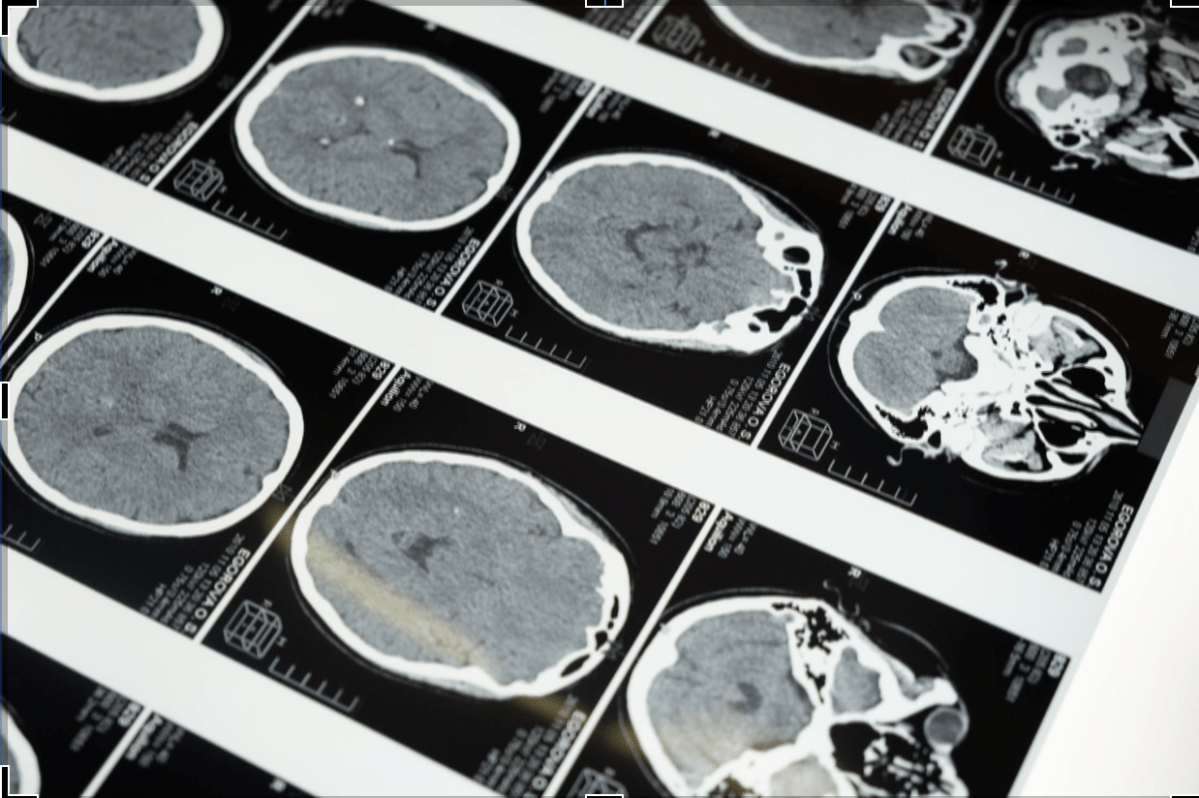
As for brain and body scans, many recent studies have found that the brains of those suffering from mental disorders are both structurally and functionally different than those who don’t. These differences can be viewed under various brain imaging techniques. Patients with depression tend to show large volume reductions in frontal regions, especially in the anterior cingulate and orbitofrontal cortex with smaller reductions in the prefrontal cortex of the brain. These areas of the brain are responsible for executive functions such as decision making, planning, and emotion regulation. The prefrontal cortex is also the part of the brain responsible for releasing neurotransmitters such as dopamine, serotonin and norepinephrine. 

Furthermore, the hippocampus, the part of the brain that controls for emotions and memory,  has been consistently found to be significantly smaller in patients that are depressed. The longer one had been depressed, the more the hippocampus shrunk in size, further limiting memory and emotion functions.  

Unfortunately, we haven’t been able to use brain scans for diagnosis yet, but research is ongoing and hopefully, we will soon be able to use them to diagnose and create specific treatment plans. 

2. The role of environmental factors on Mental Health 

It’s true that stressful life events can contribute to the development of mental disorders, however, biological or genetic factors seem to have a more significant impact. 

It’s quite well known that biological factors such as differences in neurotransmitters and hormone levels are known to contribute to mental illness. A lesser known fact about mental disorders is that their heritability is very high, in some cases much higher than physical illness. Heritability refers to the statistic that helps us understand how much of a particular characteristic or illness is usually a result of ‘nature’ in comparison to ‘nurture’ The heritability of depression is known to be about 48% – 70%. To give context to how high this is, the heritability of obesity is known to have the same range (40%-70%), blood pressure much lower (24.4% – 30.3%) and height is a little higher (89% -93%). 

This means that approximately 90% of the time, one’s height is a result of genetic factors. Environmental factors such as nutrition, and exercise can also contribute to one’s height, however, when we look at a population, about 89%-93% people are of a certain height due to genetic factors. Only about 10% of a population’s height is not determined by ‘nature’ but instead determined by ‘nurture’. Similarly, at least 48% of a population experiences depression due to genetic factors, and in different populations this number could go up to as high as 70%. 

The reason that the heritability of mental disorders function on a range is because mental disorders are a polygenic trait, meaning that not just one gene, but multiple genes determines whether one will develop a mental disorder. However, there is one gene mutation that has been found to have significant correlation with the onset of various mental disorders. The gene is called MTHFR and it seems to be involved in the production of an essential enzyme – methylenetetrahydrofolate reductase. People with this gene mutation have been found to have a much higher risk of developing mental disorders. 

Genetic predisposition and environmental factors together determine how vulnerable one is to mental disorders. To understand this interaction, let’s look at the example of Phenylketonuria (PKU). Phenylketonuria is a genetic disorder that results in a defect in the gene that helps create the enzyme needed to break down the amino acid phenylalanine. Without the enzyme necessary to process phenylalanine, a dangerous buildup often leads to intellectual disability, seizures, behavioral problems, and mental disorders. If provided with a diet that limits phenylalanine, these can be prevented. 

Similarly, in the case of depression, genetic factors can cause one to be more vulnerable and sensitive to stress the same way PKU makes one more vulnerable to phenylalanine. In the case of no genetic risk involved, one is either not susceptible to mental disorders at all or much more resilient to stressful life events in comparison to those who are genetically predisposed. Overall, how vulnerable or resilient one is in the face of stressful life events, seems to be determined by our genes. 

This is not to say that environmental factors alone cannot cause depression. However, resilience to mental health disorder does seem to be more correlated with your genes than a healthy environment, although a healthy environment can increase or lessen your resilience.

3. The Relationship between Depression and Drug Abuse 

The relationship between depression and substance abuse is bi-directional. A large number of people who suffer from depression never seek medical treatment and instead, use alcohol and drugs to self-soothe. At the same time, those who struggle with addiction are much more likely to develop depression since alcohol and drugs tend to alter brain chemicals, possibly making one more susceptible to mental disorders. With that said, a large number of times, mental health disorders usually occur before substance abuse and addiction. 

However, an interesting point to note is that addiction too, is quite heritable.  Although everyone has the potential to become an addict, some people are more vulnerable than others. Studies show that if a parent has a drug or alcohol addiction, the chances of their child developing an addiction is 8 times greater.

Adoption studies are commonly used to study whether nature or nurture is more important for the development of a particular characteristic or behaviour. Studies have found that among adopted children, those that have biological parents with a history of drug abuse, are much more likely to engage in substance abuse themselves. On the other hand, the risk of drug abuse in adopted children raised by a parent that had a history of drug abuse was not significantly increased, suggesting that genetic factors play a greater role in determining the likelihood of drug abuse and addiction. Similarly, twin studies have found that if an identical twin (shares a 100% of your DNA) has a history of addiction, you have a higher probability of developing an addiction, than if you had a fraternal twin (shares 50% of your DNA) with a history of addiction.

Therefore, although it’s true that one’s depression may be a result of substance abuse, it is unfair to villainize any of the two. Yes, our actions and environment does influence the development of both behaviours, but given that both conditions seem to be heavily dependent on genetic predispositions, it’s important that we spend more time educating ourselves and finding efficient ways to prevent addiction and mental health, instead of stigmatizing them even more. 

Aradhya is a student of Psychology, Biology and Media Studies at Ashoka University.

We publish all articles under a Creative Commons Attribution-Noderivatives license. This means any news organisation, blog, website, newspaper or newsletter can republish our pieces for free, provided they attribute the original source (OpenAxis). 

Categories
Issue 4

China’s Vaccine Diplomacy: Strategic Ascension to Global Power?

The global health catastrophe of COVID-19 and the current unmet need for a preventive measure has accelerated the geopolitics of vaccines. Diplomacy to assure the availability, accessibility, and quality of the vaccine to manage the COVID-19 pandemic is central to any country’s success. Vaccine diplomacy is currently a crucial soft power tool China is trying to deploy.  It is rushing like a hare with all the potential risks and rewards of such a strategy; it is hoping to disrupt the historical tortoise-like pace of vaccine development and deployment.  

China is among the earliest in the development and testing of vaccines. It has four vaccines in the third phase of clinical trials and has set strategies for global supply in motion. Capitalizing on their strategic interests in their multilateral and bilateral relations, China has adopted several diplomacy channels for vaccine distribution. Drawing from our framework on science & technology diplomacy, it has deployed a mix of financial/economic support, geographical coverage, cultural outreach, information dissemination, material distribution, timing, and transportation strategies. It has varied the mix of channels based on its relationship with the partnering country. It has sought to set up an exchange, cooperate, collaborate, or make a commercial transaction. 

China timed its diplomacy to provide early vaccine access to countries of strategic interest. Philippines, Myanmar, Indonesia, Malaysia, Cambodia, Thailand, and Laos are some of the countries that could potentially have priority early access to China’s vaccine. Each of the countries has a unique relationship with China and the objective of vaccine diplomacy is distinct for each. Today many geopolitical issues have been set aside due to the impact of COVID-19, and Indonesia did just that due to the economic conditions which prompted them to accept China’s vaccine offer. The China-Myanmar economic corridor has led to an economic partnership with Myanmar under the ‘Belt and Road Initiative’ and has set the basis for strengthening their vaccine diplomacy. A successful vaccine will only strengthen the already existing relationship. 

The long-standing relationship of United Arab Emirates (UAE), Saudi Arabia, and North Africa with China has connotations of economic, material, and transportation diplomacy. Vaccine diplomacy in these countries has a greater push in terms of providing them support in everything they need for successful vaccine deployment. China’s vaccine clinical trials are underway in UAE and the country declared emergency approval within six weeks after the trials were started. On the other hand, facilities are being setup in Ethiopia to mass-produce pandemic mitigation tools which is just the start of providing more of its resources. Transportation and transfer of resources and materials is another tool that further strengthens China’s vaccine diplomacy. State-owned Chinese pharmaceutical companies are distributing  their resources to build massive distribution networks. For this purpose, new facilities are being built in Egypt and Morocco. Weak industrial setup and political power struggle of countries has given China the opportunity to spread its vaccine diplomacy to Latin America. Technology transfer by China to the underdeveloped pharmaceutical industry to secure vaccines in the region has expanded the scope of China’s vaccine market space. It has used its economic/financial diplomacy once again by pledging loans to Latin American and Caribbean nations to fund procurement. While China has deployed varied strategies, it appears to fall short on strategies such as providing advice and gifting which could play a significant role in building goodwill among nations. 

An effective and successful vaccine will be beyond measure in terms of its diplomatic value to China. But its ineffectiveness could damage China’s power and put a risk to its established relationships. In general, if a country’s vaccine’s ineffectiveness is discovered due to its low cost, low quality, and quick development, the diplomatic favors can quickly turn into backlash. One of the biggest concerns for any country will be the quality and effectiveness of the supply chain for successful administration of the vaccine. The success of the supply chain will not only depend on quality development, testing, availability, transportation, demand, and administration of it at the lowest level, but also on management and monitoring, cold chain management, and immunization safety. The management and monitoring will depend on the demand and production of the appropriate quantity and inventory. Cold chain management will be the most crucial in terms of having the right facility location, routing, and mass distribution, all of which needs a supply chain design with rigorous temperature control resources. It will require monitoring storage temperatures, other conditions appropriate to the requirements, and conducting first-level maintenance of cold chain equipment. Last, immunization safety measures and resources must be available for the frontline workers and safe waste disposable must be employed. 

In the above context, it is imperative for a country to have resources set up well in advance to support the supply chain management. Given that all countries will not have the cold chain management resources at different levels, technology transfer to support this is a huge requirement. If India or any other country is looking to secure vaccine from countries like China, United States, or Russia, diplomatic channels for securing the necessary technology will be vital. Today, the economic conditions of the countries are affected a great deal. No country can afford to incur additional costs as there are high chances of vaccine wastage if countries do not have the cold storage management capabilities to successfully deliver the vaccine. China’s unique vaccine development and diplomacy strategies have surpassed India’s whose focus in both has been narrow. China’s economic heft is probably the most influential factor in this race given its dominance around the globe. If successful in its vaccine diplomacy, China will gain the most diplomatic dividend there is and re-order the competition for global power. If it fails, it may take a while to recover the trust of other countries in the post-COVID-19 world. While China is being like a hare to develop and distribute a vaccine , India is being like a tortoise, promising to  use its manufacturing capacity to produce and deliver the vaccine to the world.

S D Sreeganga, Research Associate, Ramaiah Public Policy Center, Bengaluru, KA, India 

Arkalgud Ramaprasad, Professor Emeritus, University of Illinois at Chicago, and Director, Ramaiah Public Policy Center, Bengaluru, KA, India 

We publish all articles under a Creative Commons Attribution-Noderivatives license. This means any news organisation, blog, website, newspaper or newsletter can republish our pieces for free, provided they attribute the original source (OpenAxis). 

Categories
Uncategorized

Bringing The Boys to Life in Trump’s America

Image credits: SKetch (Instagram: @sketchbysk)

“With great power comes great responsibility”, these words, said by Uncle Ben in the Spiderman comics and movies, became Peter Parker’s guiding principles in his pursuit against crime. The same principles apply to most mainstream superheroes that choose to use their powers for the benefit of humanity and often seem to only do the “rightthing. Amazon Prime Video’s hit show ‘The Boys’ takes a more realistic view of superheroes, where these super-powered individuals are employed by a powerful corporation Vought International, which markets and monetizes them. Most of these heroes are arrogant and corrupt outside of the public eye. While the show is meant to be extremely weird and unrealistic, something about it makes it seem very real…

“Sounds like the American thing to do, sounds like the right thing to do” while this may sound like a line from President Trump’s rally speeches, and in all probability is – it was actually said by Homelander, the American flag-cape-wearing leader of the Seven (Vought’s strongest superhero team) during a believe expo for “honest Christians”.

The most powerful superhero has much more in common with Donald Trump than you might think. Both Homelander and Trump are in positions of extreme power and seem to want to use their powers to protect the American citizens from the evils the rest of the world hurls at their country. While American presidents through the 21st century have championed globalization and have actively tried to create a global community, we have witnessed a globalization backlash under Trump’s presidency with the intention of protecting American interests. Similarly, Homelander is different from the traditional superhero who wants to protect the world and chooses to project himself as America’s savior. We see clear instances of this when the Corporate executives of Vought tell Homelander his brand is “America, baseball and sunshine”. When after a focus group comes up with the tagline of “Saving The World”, Homelander bulldozes his way through corporate to make it “Saving America”. Trump speaks about the Chinese stealing American jobs and Mexicans raping American women and Homelander is on a mission to protect Americans from “foreign” extremists. While Trump uses isolated incidents and stereotypes around non-white demographics being involved in criminal activities or stealing jobs to build hype for his immigration policies and the border wall, Homelander uses a plane highjacking as an opportunity to make a case for superheroes in the military. Both Trump and Homelander hence seem to strive in situations of chaos, choosing to add to the chaos in order to further their personal agendas.

Gökarıksel et al in their work categorize this ability to amass a following by propagating fear through partly rooted facts as “demographic fever dreams”. The nightmarish “dream” implies an orientation toward the future, that is demographically apocalyptic for the dominating population hence calling for active, often violent intervention. While we have seen politicians use rhetoric about the class divide to appeal to sections of the masses, the fever dream created by Trump is quite different as it manages to break class barriers by uniting white Americans across class divisions through an embodied fear of the toxic other. The same demographic fever dream is quite openly displayed in the setting of ‘The Boys’. Eric Kripke the creator of the television series quite explicitly stated that he tried to bring out “the worst of politics”. The show as he states is very reflective of the world we are currently living in – “a blurred line between authoritarianism, fascism, and celebrity.” While ‘The Boys’ captures these themes it also shows how Homelander (just like Trump) projects himself as the hero who is going to protect “his people” from these external threats. 

Not only do Homelander and Trump have the same rhetoric and use demographic differences as a political tool but they also have very similar personality traits. Homelander is self-centered, craves public approval, and is highly concerned about his ratings. He has a team of PR specialists running his social media accounts to make sure his public image remains untainted and constantly keeps a check on his public rating. A superpowered being that has the ability to destroy anyone or anything seems more affected by his public reputation than terrorists and supervillains. Homelander in one instance lets a plane filled with passengers crash so that his inability to save all passengers doesn’t impact his and his team’s image. The most panic you see on the face of this superhero is when he finds out his approval ratings fell by 9 points.

Blonde hair, white male, cheeky smile, self-obsessed, xenophobic, erratic, and a public image built over love for his country. Is Homelander Donald Trump in a cape? 

Karantaj Singh finished his undergraduate in History and International Relations. He is now pursuing a minor in Media Studies and Politics during his time at the Ashoka Scholars Programme. He enjoys gaming and comics in his free time.

We publish all articles under a Creative Commons Attribution-Noderivatives license. This means any news organisation, blog, website, newspaper or newsletter can republish our pieces for free, provided they attribute the original source (OpenAxis). 

Categories
Issue 1

Issue I: Editor’s Note

Life online. That is the only kind of life we have had for the past six months. We left our dorm rooms and colleges with the hope that the novel coronavirus would disappear in a few weeks. Weeks turned into months, which then turned into the rest of the semester. Today, half the spring semester, a summer break, and another half semester into a new academic year later, we continue to be online, while grappling with the reality that we may never return to our beloved campuses. Now we watch as parts of the world are on fire, as millions more lose their jobs and their lives every day, as democracy is under threat world over, as we are on the brink of one of the most important elections, as minorities are increasingly threatened and as people continue to ignore and deny every single one of these threats. And we watch all of this helplessly, having to make choices between public health and our livelihoods, our democracy, our freedom of speech. The internet has never been this important — it is the only way through which we have been able to voice our dissent, stay connected with the world and try to maintain the normalcy of school and work. The dot-com revolution was already in full swing even before the pandemic. The pandemic forced us to switch to a world we had been theorizing since the internet began to spread. In this issue, we try to understand what this world looks like. How will elections work when we are advised to stay home? What are the privacy concerns in this world? How do we dissent when every single word can be tracked and used against us? What does the future of live events look like? What are the ethical and moral concerns of a world which depends on and earns its money from tracking our every habit? What do we do with the constant bombardment of news we are faced with online? 

As we launch this magazine, we are 43 days from the American election. There are more than 30 million COVID cases in the world and 5.4 million in India itself. We have just received news that our entire (penultimate for some of us) semester has been shifted online. And while the world is ridden with crises, we sit in our homes trying to make sense of it all. This issue is a small effort to chronicle our navigation through this world into what we hope is a better tomorrow.

– Drishti Chawla, Isha Deshmukh, Karantaj Singh and Shrishti Agrawal

Categories
Uncategorized

Phones and Guns to Phones with Guns: Am I a Soldier?

By Sanya Chandra

Do you ever think how many ways the state is in your home, or on your phone, quite literally hugging your person? Do you think your means of entertainment are detached from diplomatic posturing? If the answer is yes, you are wrong.

A writer and producer of a videogame company was invited to join a panel advising on the future of modern war. This is Dave Anthony, a creator of Call of Duty: Modern Warfare 3 whose expertise the Pentagon evidently thought could benefit US conceptions of real warfare.

The video game, part of the larger Call of Duty series, features Europe dependent on American forces for liberation after having been invaded by the Russians. How and why did a game developer have enough currency to advise on matters of international warfare? Purely because modern war videogames deal in authenticity. To create his product, manufactured and sold to you, Anthony engaged in conversations with war veterans to give it a life-like character.

Making the game gave Anthony the skills to comprehend, create, and also think of possible solutions to complex real-life problems. Playing them does the same to you, as you’re dealing with situations veterans have partly provided. This is just one example of how politics shapes popular culture and is in turn shaped by it. The fact is, that this is not the only example out there.

Indians today would have noticed the announcement of the videogame FAU-G (Fearless and United– Guards) on 4th September, a couple of days after the game PUBG Mobile was banned. FAU-G is Fauji Hindi, meaning soldier. Released by a prominent actor, Akshay Kumar, it is a prime example of what is generally termed as the Military-Entertainment Complex.

The idea goes to show that actions of private companies and the domain of diplomacy overlap. While no state will go as far as to produce its own games or movies, political events create the context under which are accepted,  thereby motivating their production.

Akshay Kumar’s tweet announced FAU-G, specifically in support of the Indian government’s AtmaNirbhar Bharat Abhiyan. It is a movement to make India self-reliant, in terms of economy and infrastructure, among others. 20% of FAU-G revenues will be donated to BharatKeVeer, a trust set up by the Office of the Home Minister. Donations to this trust are also exempt under the Income Tax Act. The ‘Atma Nirbhar’ scheme came in the wake of global disruptions in Chinese led manufacturing supply chains because of lockdowns and travel restrictions caused by the Coronavirus Pandemic; and exacerbated by military tensions between India and China in Ladakh’s Galwan Valley, provoked by Chinese attempts to claim the territory as its own. As troops are eyeball to eyeball, India’s response has been to boycott over 118 Chinese apps including PUBG’s mobile version. The tweet ends with “Trust #FAUG”, a sentiment often echoed in the Prime Minister’s addresses.

The entire episode reflects a symbiotic relationship between the military and popular industries. Military videogames, by that logic, establish both your national identity and the context itself. They see you as the crusader for justice and they posit the context that a hostile environment is threatening you. You become Rambo, a soldier who fights enemies to protect his country’s interests. While this may not be overt or even intentional, it creates the scene in which warfare becomes palatable for the general audience.

In addition, videogames are set in a military warfare setting. They rule out the possibility for negotiation to ‘fix’ the hostile situation. Negotiation is a key part of most exchanges between two nations; when games and movies tell stories they seek to entertain. Situations where threats have existed and a successful response has been military are precisely that– entertaining.

Drawing back on the Call of Duty example, another edition of the game imagines a second cold war set in the year 2025. Hence, while some games draw on the past and attempt lessons from history, others cultivate preparedness for war in the future.

The same logic flows through movies as well. We are now seeing Chinese assertiveness widely called ‘Wolf Warrior diplomacy’ after a 2015 nationalist film and its 2017 sequel of the same name. This phrase is used both by Chinese and international media. The cinematic Wolf Warriors are soldiers in the People’s Liberation Army.

China is actively constructed as a nation under attack. Seeing itself as uniquely vulnerable, the tagline begins to make sense– “Even though a 1000 miles away, anyone who affronts China will pay.” This is linguistically evident, especially in the case of the Twitter allegations by Chinese diplomat Zhao Lijan. The tweets were a response to international criticism of Chinese ill-treatment of Muslim minority group, Uighurs, in Xinjiang province. Lijan’s response– a criticism of racial segregation in the United States capital.

This aggressive stance comes with the LAC clash and importantly, the enactment of China’s new security policy towards Hong Kong which depicts the willingness of Chinese leadership under Xi Jinping to openly assert and consolidate its power. The pandemic of course looms like an ever-present threat which first originated in Wuhan. According to career diplomat Shyam Saran, the pandemic question has caused a sense of “deep insecurity” to Chinese leaders.

Insecurity is dangerous, popular culture tries to replace self-doubt in your country with a degree of surety. You are after all Rambo, Fauji, Warrior. This perfectly complements national leadership’s pleas to support unequivocally the actions of the armed forces. In addition, popular culture feeds the attempt to justify actions as you, the citizens, have carried out the same actions, albeit virtually, from your phones. Your actions, games, and movies have no direct consequences, but they serve as testing grounds for belligerence.

We have seen two tangible instances of the link from popular culture to war and diplomacy– the USA and China. The link is mediated between theoretical reflection and the lived dramas of everyday life . With the coming of a new videogame, will India follow suit?

Sanya is a student of History, International Relations, and Media Studies at Ashoka University.

We publish all articles under a Creative Commons Attribution-Noderivatives license. This means any news organisation, blog, website, newspaper or newsletter can republish our pieces for free, provided they attribute the original source (OpenAxis). 

Categories
Uncategorized

What do stock market fluctuations in 2020 tell us about human behaviour?

By Srijita Ghosh

If I ask you what’s common between choosing the wrong major and not being able to lose the last 5 kgs that you thought you’d lose by summer, most of you would think there isn’t one. But if I ask you the same question for the stock market behaviour during the dot com bubble (most of you were probably not even born by then) and the same stock market behaviour during the recent pandemic, you can probably name a few. However, the common thread amongst all of them is that they are all driven by incorrect beliefs about future events. 

You were so sure that economics was the right major for you, but at the end of the second year, you realize you have gravely underestimated the technical skills required to finish it and now you wish you had chosen something else. It is natural and quite common to have a wrong belief or estimate about a future event since future events are fundamentally uncertain. 

Economists have been aware of incorrect beliefs and their impact on decision making but modelling them formally has started fairly recently. Taking motivation from psychology and neuroscience, economists have started modelling decision-making under the assumption that the agents are cognitively constrained. They can make mistakes while predicting some uncertain events about the future which can have severe consequences on their life and living. 

It’s the same cognitive constraints that drive the seemingly irrational behaviour in the stock market. But the mistakes that people make in the stock market or most economic context are not random. By studying the patterns of mistakes, we can design effective policies to improve welfare. 

In the context of the stock market, recent studies by Bordalo et al (2020) have found that people overreact to good news and overvalue them in the long run. If we overestimate the long-run valuation of stocks, then eventually we will be disappointed since our predicted value will not be materialized. This can lead to perverse behaviour in the market.

For example, during the current pandemic, the stock market remained more optimistic than what would be expected from the condition of the economy per se. It might be driven by the overestimation of the long-run fundamentals of the stock market. The problem, however, is that the pandemic initiates a “regime change”, which means we cannot be sure where the fundamentals of the stocks would lie in the post-pandemic period.

Another cognitive function that severely affects our belief is that of memory. Various puzzles in the stock market can be related to the nature of memory. There are different features of the memory that affect what we believe. The most obvious one would be the temporal nature of memory; we remember things with more clarity that have happened in the recent past than a distant past. This implies that while forming belief we put more weight on the recent phenomenon that is the underlying trend. This can lead to having an overreaction to bad news. 

The other, more complex feature of memory is representativeness, which implies that different cues about the same underlying object can lead to very different beliefs depending on what comes to mind. In a recent study by Wachter and Kahana (2020) has shown that we often associate two events that are temporally related. If one of these events repeats again we remember both the events, as they are contextually related events. This can lead to further distortion in belief and some examples of such behaviour would be under or over-reaction to news, fear being a leading motivator of financial decision-making, and so on. 

However, we should note that this literature is fairly young and researchers all over the world are trying to understand the impact of cognitive functions on beliefs and subsequently on decision-making. So we should proceed with caution when interpreting the results from the early experiments. Just like any other scientific discipline, we can only conclusively make remarks after several studies have reproduced similar results. 

One major problem here is that human behaviour is complex and when combined with the stock market framework the scope of non-standard (from a neoclassical economics perspective) is large. This makes analyzing and predicting behaviour in the stock market particularly difficult. But one way forward would be to understand how humans form beliefs generally and extend that to the stock market scenario. This will also help us become better decision-makers and be more consistent with our own world-view. 

Srijita Ghosh is an Assistant Professor of Economics at Ashoka University and has done her Ph.D at New York University.

Sources:

Expectations of Fundamentals and Stock Market Puzzles by Pedro Bordalo, Nicola Gennaioli, Rafael La Porta, and Andrei Shleifer (2020)

Memory and Representativeness by Bordalo, Pedro, Katherine Coffman, Nicola Gennaioli, Frederik Schwerter, and Andrei Shleifer. 2020

 A Retrieved-Context Theory of Financial Decisions by Jessica A. Wachter and Michael J. Kahana

We publish all articles under a Creative Commons Attribution-Noderivatives license. This means any news organisation, blog, website, newspaper or newsletter can republish our pieces for free, provided they attribute the original source (OpenAxis).